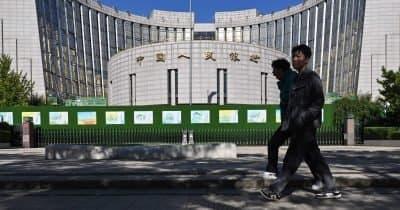
Argentina just renewed its currency swap with China's central bank for another five years, securing $19 billion in reserve access through 2028. The deal, denominated at 130 billion yuan, represents more than 40% of the country's total international reserves. It's a straightforward financial calculation: without this agreement, the BCRA would face a severe liquidity crunch heading into the next presidential election.
The timing trap
The previous arrangement was expiring on August 6, 2026, after a three-year term. President Javier Milei and Economy Minister Luis Caputo face a genuine squeeze here. They've built their credibility on market-friendly reforms and reducing dependence on Chinese capital. Meanwhile, Washington has been quietly (and not so quietly) pushing Buenos Aires to wind down the relationship. Yet letting this lifeline expire would have been politically catastrophic, leaving reserves dangerously thin right when the administration is negotiating with the IMF. The swap line functions as critical cover when IMF access gets constrained or conditional. So Milei's team chose the longer runway. Five years instead of three signals both Beijing and Buenos Aires wanted more runway, not less. It's a five-year bet that Argentina's economy will stabilize enough to not need this crutch quite so badly by the time the next renewal comes due.
Crypto gets the side benefit
This deal contains zero crypto assets, no tokens, no blockchain components. But the reserve cushion matters enormously for Argentina's policy space. The country has one of the highest crypto adoption rates globally. A more stable reserve position gives the Milei administration breathing room to pursue digital asset initiatives without every conversation getting hijacked by talk of a reserves crisis. The swap renewal doesn't solve Argentina's underlying problems, but it buys time. Time to implement reforms. Time to let inflation gradually cool. Time to stop treating every policy decision like a fire drill. For investors monitoring Latin American exposure, this is less about China's generosity and more about recognizing when a government has learned to accept help from multiple directions simultaneously, even when those directions are at odds with each other.
This material is informational only and does not constitute financial advice or investment recommendations.