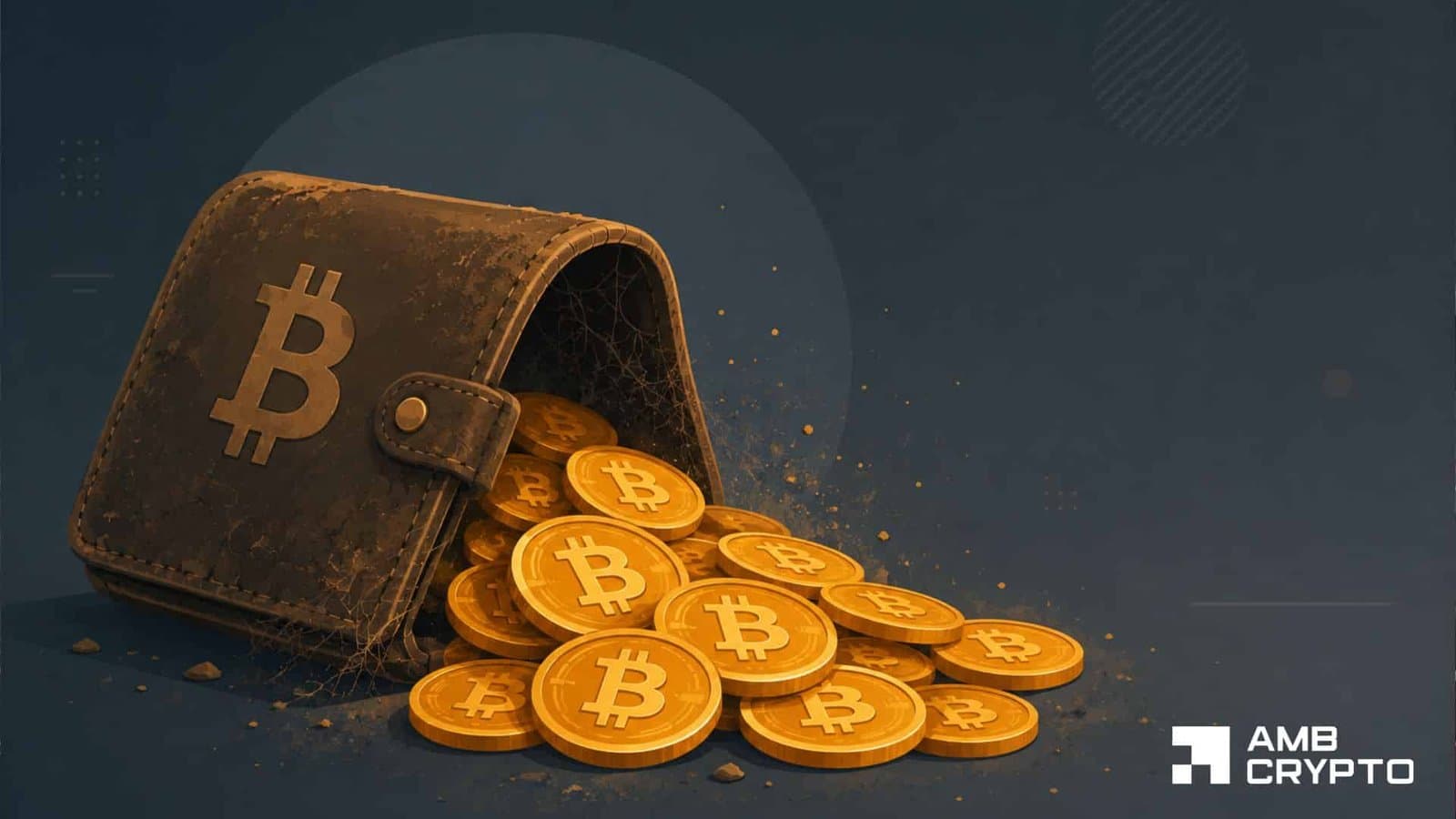
A 500 BTC wallet worth roughly $31.3 million just woke up after sitting untouched for 12.7 years. The movement is part of something bigger: long-dormant Bitcoin holders are suddenly moving coins again, and nobody's quite sure why.
August 3rd saw 935 BTC total emerge from wallets that had been inactive for over a decade, the heaviest single day of such activity since March. Shortly after, another dormant whale shifted 16,400 BTC worth around $1.04 billion, this one after seven months of silence. The pattern looks unusual enough that it's raising eyebrows across the crypto community.
Here's where it gets interesting. Rather than dumping straight onto exchanges for a quick sell-off, most of these coins moved to brand new addresses. That typically suggests cold storage management or security caution rather than market exit. But the timing is suspicious. These transfers coincided with growing concerns about a suspected Coldcard hardware wallet exploit, leaving traders wondering if old Bitcoin holders got spooked and started moving their coins to safety.
The evidence doesn't quite connect
On-chain analysis can't directly link either transfer to the Coldcard situation. The coins consolidated into freshly generated addresses with minimal follow-up activity, a pattern that could mean security migration or just cautious portfolio housekeeping. Without knowing the holders' actual intentions, it's pure speculation right now.
The broader market picture doesn't suggest panic selling either. Long-term holder supply remained stable across the network. Exchange reserves sat near 2.7 million BTC with subdued inflows, weakening any argument that these dormant whales are preparing a mass dump. So either they're moving coins for safety reasons, or market factors beyond what we can see on-chain are at play.
Watching exchange inflows, address reuse patterns, and what happens next with these coins will eventually reveal the real story. For now, these silent Bitcoin holders are keeping everyone guessing.
This article is informational and does not constitute financial advice. Always conduct your own research before making investment decisions.