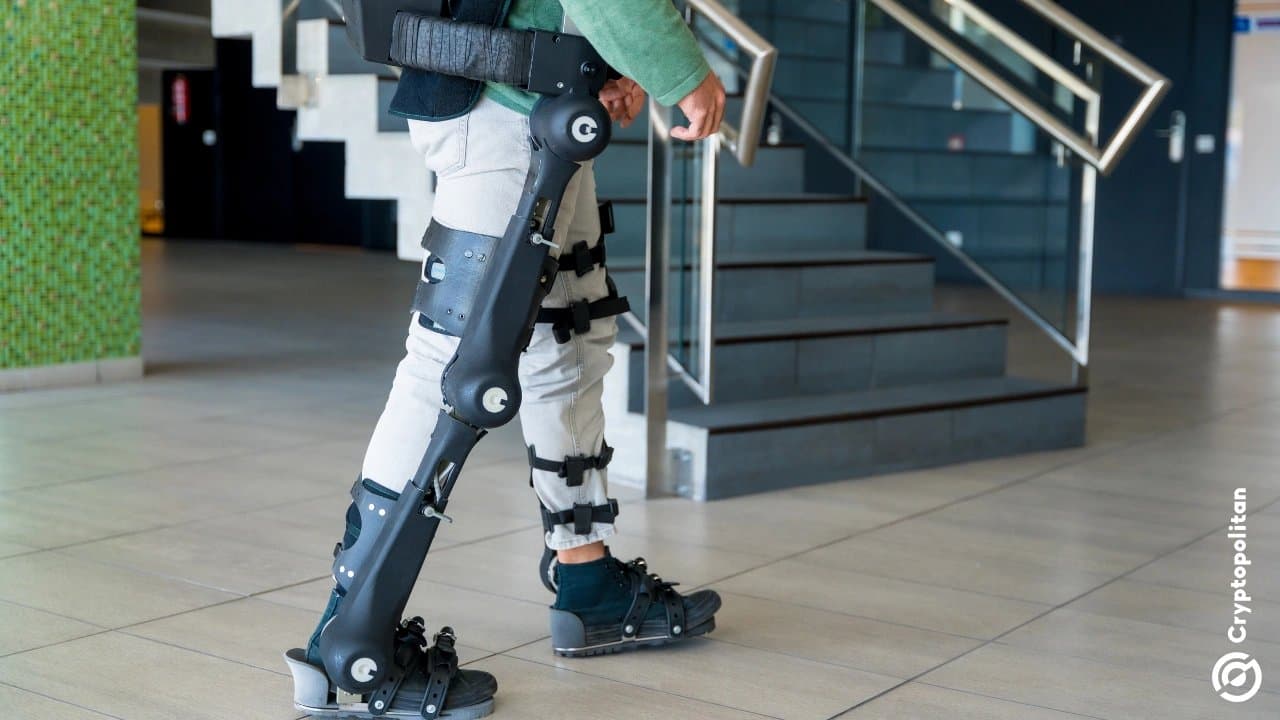
China shipped 26,000 exoskeleton units last year, pushing the market to 1.6 billion yuan. Medical rehab departments bought most of the revenue, not the volume. That split matters, because it shows where the money flows versus where the units move.
The IDC report, the first full count of the sector, pegged medical rehabilitation at 1.42 billion yuan in sales. Hospitals, specialist clinics, and recovery centers are the actual buyers. Aging demographics drove the demand. Import substitution helped local makers like Fourier Intelligence, Chengtian Technology, and Milebot capture contracts that used to go abroad. Grassroots rehab services are expanding fast across smaller cities, and these places need equipment.
Consumer units flood the market, but at penny margins
Consumer-assist exoskeletons shipped 19,000 units and generated just 110 million yuan. That's a math problem. You're moving most of the volume but barely making money. Industrial applications sit in the middle, smaller on both counts. The pattern mirrors consumer robotics everywhere: high unit sales, low per-unit profit, race to the bottom on price.
Financing bets the whole sector is just starting
Investors don't see it that way. Financing deals jumped from 8 in 2024 to 19 in 2025, worth 2.2 billion yuan total. That's three times more capital chasing the same three segments. Money is betting the market isn't saturated yet, especially in medical rehab where aging accelerates and substitution hasn't finished. Industrial exoskeletons are still niche, so investors see runway there too. Consumer devices attract fewer deals despite the unit volume, probably because the margin math is brutal.
This fits China's broader push into physical AI, the machines that turn algorithms into actual movement. Unlike large language models that run on servers, exoskeletons operate in hospitals, factories, and homes. They're harder to build, need real-world testing, and can't be cloned as easily. That defensibility is what venture money is chasing.
This article is informational only and does not constitute financial or investment advice.