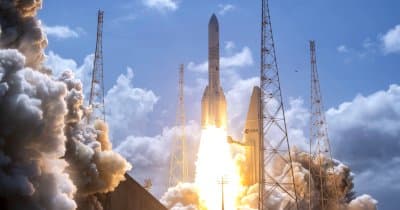
Imagine your phone connecting directly to satellites in space without needing traditional cell towers. That's exactly where Amazon is heading with its Project Kuiper, which now targets mobile connectivity, setting up a serious contest with Elon Musk's Starlink.
Amazon’s satellite plan, Project Kuiper, was first unveiled in 2019 with a vision to launch over 3,000 satellites to deliver broadband internet globally. For years, Kuiper lagged behind SpaceX’s Starlink, which started providing service around 2019-2020 and quickly became the leader in satellite internet. What’s new is that Kuiper is shifting its focus to mobile services, putting it on a direct collision course with Starlink’s recent moves toward connecting smartphones and other devices directly to satellites.
Starlink has already teamed up with T-Mobile to offer direct-to-phone satellite connections, bypassing the need for cell towers in some areas. Amazon hasn’t officially announced detailed plans or regulatory filings about this mobile pivot, but industry watchers see this as a sign that Project Kuiper wants a piece of the direct-to-device market.
It’s worth noting that neither Kuiper nor Starlink involve cryptocurrencies, blockchain, or decentralized governance. Amazon’s satellite project remains a traditional broadband venture backed by approved FCC licenses and existing launch deals. The big question is whether Amazon can catch up to Starlink’s early start and scale its service fast enough.
Keep an eye on potential partnerships with mobile carriers, which would reveal how quickly Amazon plans to roll out satellite mobile internet. This developing rivalry in space-based mobile connectivity could reshape how we access the internet, especially in remote locations where cell coverage is weak or nonexistent.