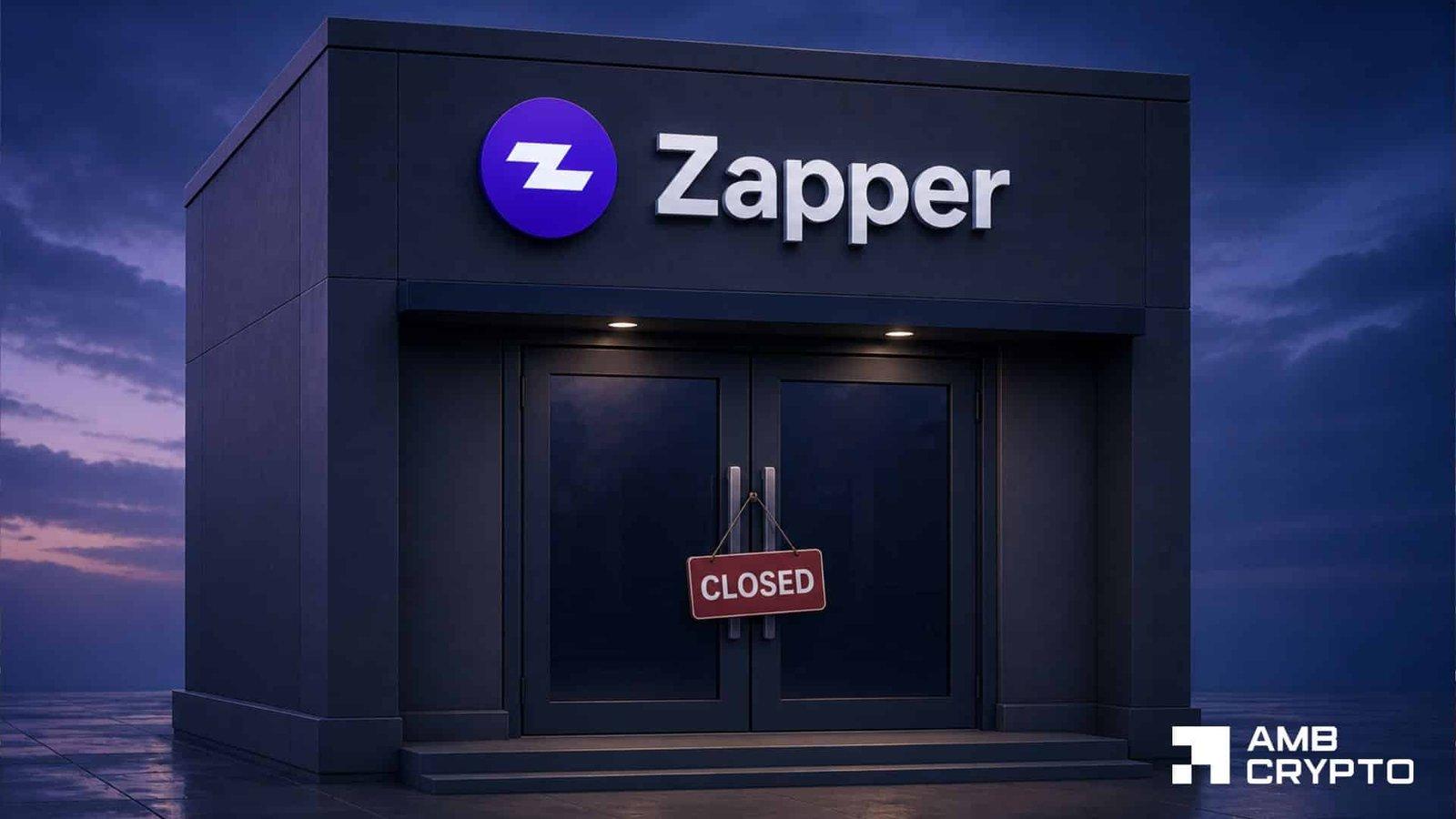
Zapper, a decentralized finance (DeFi) asset management platform, has announced it will shut down on August 3, following nearly seven years of operations. Despite attracting over 2 million active monthly users and processing peak transaction volumes exceeding $13 billion, the company struggled to maintain a viable business model amid increased competition.
Significance of Zapper's Closure
The shutdown of Zapper highlights the critical challenges facing DeFi platforms, particularly the transition from user growth to sustainable revenue generation. Zapper's co-founder and CEO, Seb Audet, admitted the company fell short of its mission to enhance DeFi accessibility. In his statement on X, he noted that while they aimed to reshape the DeFi landscape, they ultimately did not achieve their goals.
- Over 2 million active monthly users at peak
- Processed more than $13 billion in peak transaction volume
- Secured $15 million in venture capital from investors
- Shutting down on August 3
The growth Zapper experienced failed to translate into financial stability or profitability. Increased competition intensified fee compression and raised operational costs, leading to a business model that could not be sustained. This reflects a broader trend in the DeFi space, where long-term survival increasingly hinges on developing sustainable revenue streams rather than simply attracting users.
Current Trends in DeFi
The Zapper case exemplifies the inherent limitations of relying on venture capital funding for long-term sustainability in the DeFi sector. Investors are shifting their expectations, seeking projects that can generate revenue without continuous capital injections. Successful DeFi infrastructures will require a focus on monetization, efficient spending practices, and a distinct competitive edge to navigate future market challenges.
Looking Ahead: Future Considerations
The closure of Zapper raises critical questions about the future trajectory of the DeFi sector. Observers should keep an eye on upcoming developments regarding how other platforms adapt to the changing landscape. Stakeholders may need to rethink their approaches to growth and sustainability in an increasingly competitive environment.
This material is for informational purposes only and is not financial advice.