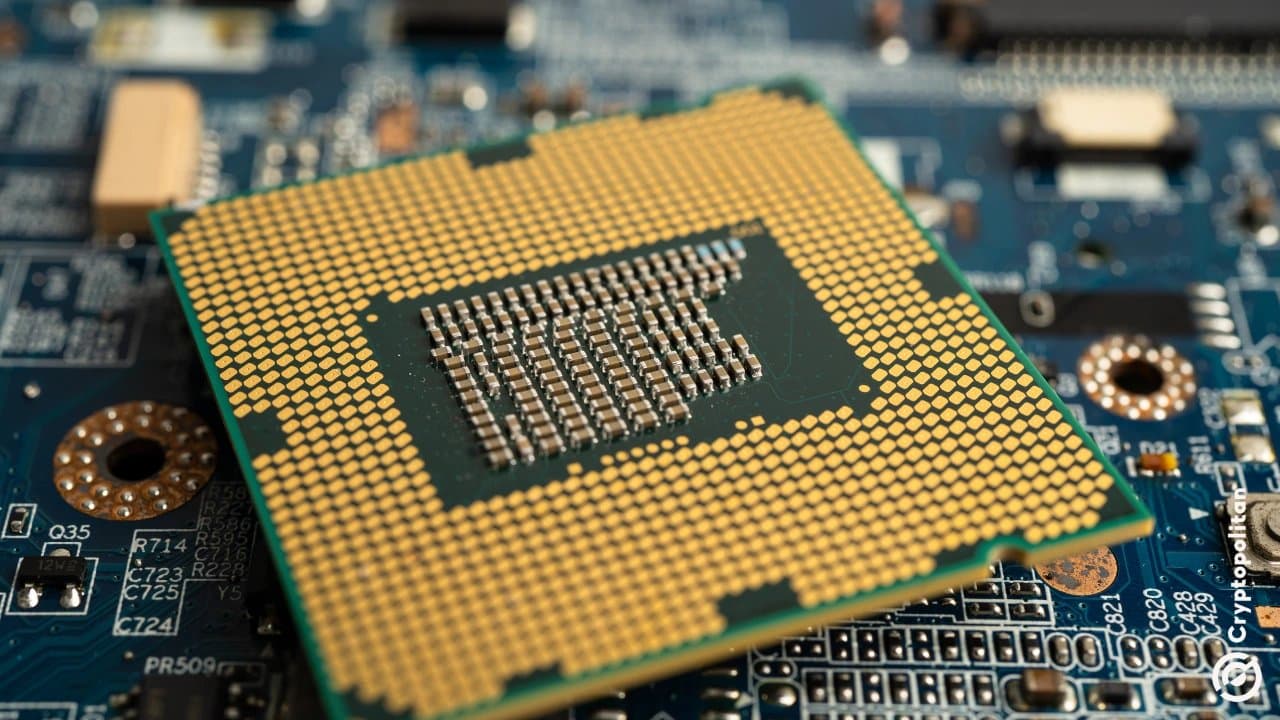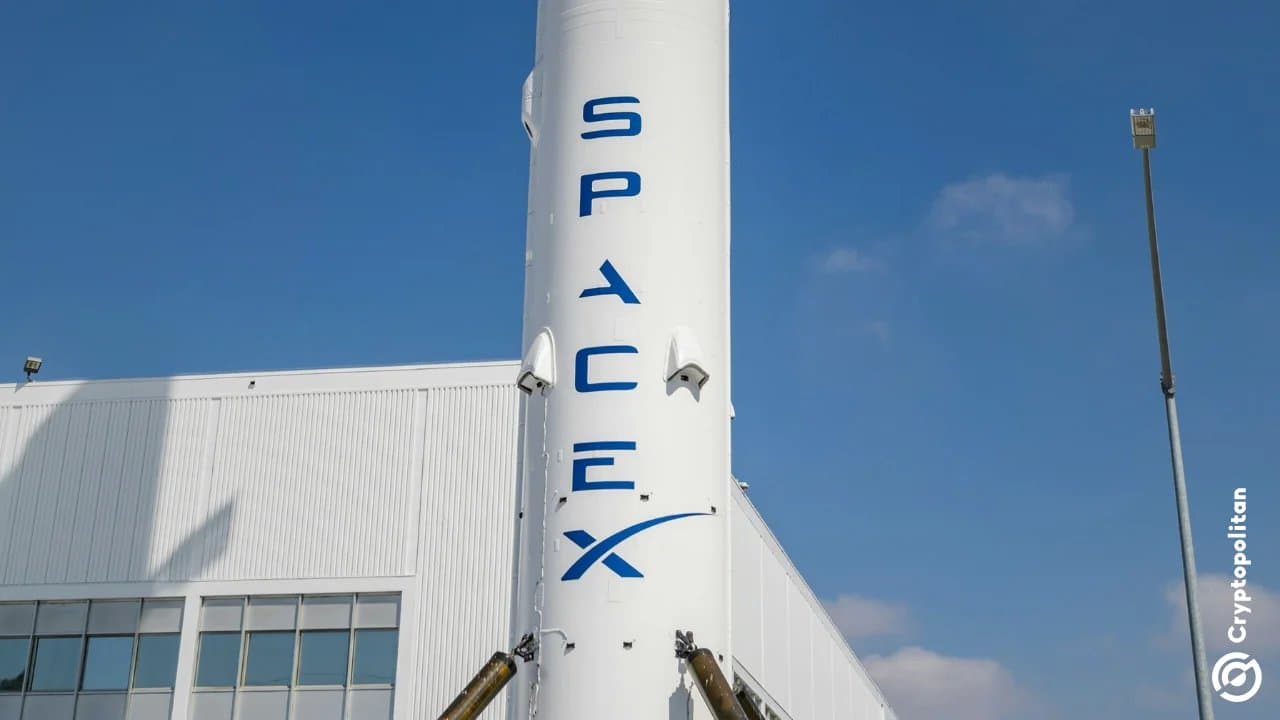
Recent analysis from Wall Street indicates that SpaceX's upcoming AI revenue is expected to be driven primarily by Earth-based data centers rather than space computing initiatives. Analysts estimate that contracts with companies such as Anthropic, Google, and Reflection AI could generate over $28 billion annually for SpaceX.
Despite the significant potential revenue, analysts have issued caution regarding the stability of these contracts, as they include termination clauses. This raises questions about the sustainability of the income flow, suggesting that SpaceX's AI endeavors are more of a long-term bet, rather than an immediate revenue source.
Currently, SpaceX's AI revenue is projected at approximately $3.2 billion for 2025, which surpasses the earnings derived from its rocket launches and Starlink services when assessed individually. The company has invested around $18 billion in AI infrastructure and research, with significant portions allocated to capital expenditures and R&D.
SpaceX's Colossus supercomputer clusters, which include the recently launched Colossus II, offer about 1 gigawatt of AI computing power, placing the company among the largest compute operators worldwide. J.P. Morgan forecasts that this capacity could grow to approximately 9 gigawatts by 2029, equivalent to four times the output of the Hoover Dam.
The anticipated shift in focus towards AI applications is further evidenced by SpaceX's $60 billion acquisition of AI coding startup Cursor, highlighting the company's ambitions beyond hardware to software development.
This material is for informational purposes only and is not financial advice.