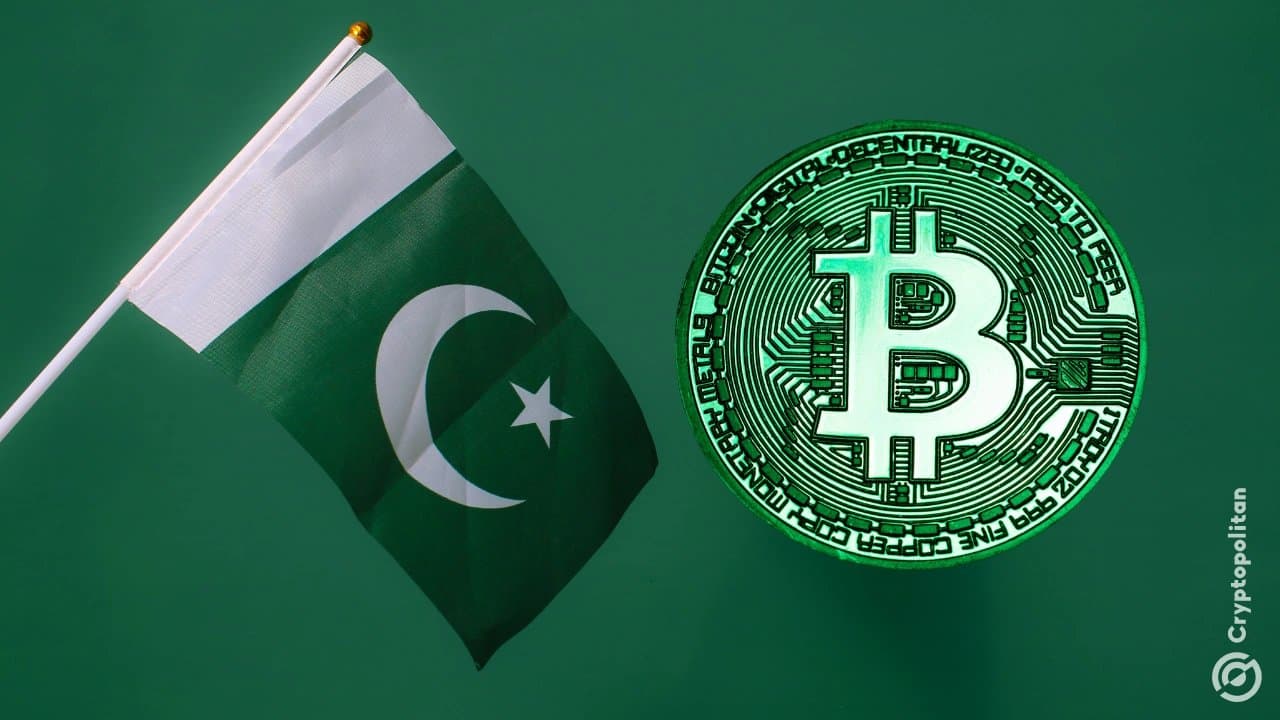
In a significant development for the cryptocurrency landscape in Pakistan, the Chairman of the Pakistan Virtual Assets Regulatory Authority (PVARA), Bilal bin Saqib, engaged in discussions with Islamic scholar Mufti Taqi Usmani following the latter's fatwa deeming cryptocurrency purchases impermissible under Islamic law. The meeting, which took place on July 11, highlighted the ongoing efforts to align the burgeoning digital asset sector with Sharia principles.
The fatwa issued by Usmani and other scholars from Darul Ifta at Jamia Darul Uloom Karachi declares that cryptocurrencies do not qualify as 'maal' the Islamic legal term for wealth. The scholars described cryptocurrencies as mere 'fictitious numerical entries in an account.' This ruling has raised concerns regarding the legality of transactions involving digital currencies in Pakistan.
During the meeting, Saqib emphasized the necessity of distinguishing between various types of digital assets. He argued that stablecoins, tokenized assets, and unbacked cryptocurrencies should undergo separate evaluations rather than being treated uniformly. This distinction is particularly relevant as Pakistan is in the process of establishing a licensing regime that mandates compliance with Sharia law for all digital assets. Saqib stated that each asset deserves a 'careful technical assessment alongside rigorous Shariah examination.'
Approximately 30 to 40 million Pakistanis are reported to own cryptocurrency, underscoring the relevance of regulatory clarity in this space. The fatwa's implications reach beyond mere speculation; it affects everyday transactions involving digital assets. For instance, the scholars ruled that purchases made with cryptocurrency, such as books or online courses, are invalid, instructing buyers to return physical goods and delete digital materials, thus raising questions about consumer rights in this evolving market.
The meeting between Saqib and Usmani was described as constructive, with both parties expressing a desire to protect Pakistanis from potential financial harm associated with cryptocurrencies. As the regulatory landscape continues to develop, the balance between innovation in the digital economy and adherence to religious guidelines remains a critical focal point for stakeholders in Pakistan.
This material is informational and should not be construed as financial advice.