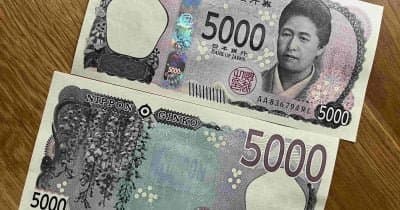
"The yen was clearly undervalued," said Treasury Secretary Scott Bessent, explaining the unprecedented move. Instead of the usual route of selling dollars, the US Treasury chose to offload euros to buy Japanese yen. This marked the first coordinated currency intervention with Japan in over a decade, aiming to prop up the yen without putting downward pressure on the dollar.
Over July 31 and August 1, 2026, the Federal Reserve Bank of New York executed trades worth between $5 billion and $10 billion, according to a note from Bessent’s Camp David notebook recently revealed. The operation, managed by Goldman Sachs and Morgan Stanley, immediately boosted the yen by more than 1% against both the dollar and the euro. The yen had been trading near 40-year lows due to persistent interest rate differences between the US and Japan, stirring what Bessent called unhealthy volatility rather than a targeted exchange rate shift.
Choosing euros instead of the dollar allowed the US to support the yen without weakening its own currency. The euro absorbed the brunt of the selling pressure. While $5 to $10 billion is a small fraction compared to Japan’s over $1 trillion in foreign exchange reserves, the symbolic weight of this joint effort suggests growing US willingness to back Japan’s currency defense. This intervention also reverberates through markets sensitive to yen fluctuations, including risk assets and crypto trading, linked closely to the yen carry trade dynamics that have long influenced global investment flows.
Scott Bessent's recent comments on expanding Fed facilities to protect US bonds come amid this currency turbulence, highlighting the broader financial ripple effects triggered by yen volatility.
This material is for informational purposes only and does not constitute financial advice.