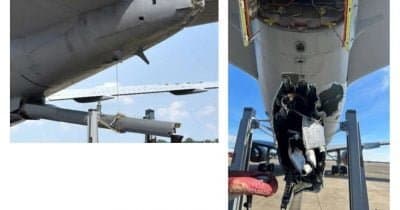
As tensions with Iran escalate, the Trump administration has significantly enhanced its military operations in the region. The United States has dispatched 31 KC-135 and KC-46 refueling aircraft to Europe, alongside the deployment of the USS Nimitz aircraft carrier, and has executed six consecutive nights of precision airstrikes on Iranian military assets as of mid-July 2026.
The escalation traces back to February 28, 2026, when initial US-Israeli airstrikes targeted critical Iranian infrastructure, including military installations and nuclear sites. Following this, the conflict has seen cycles of escalations interspersed with partial ceasefires.
Impact on Crypto Markets
These military activities have had a marked impact on the cryptocurrency markets. Reports indicate that Bitcoin's value has dropped over 2% during periods of heightened conflict, with short-term sell-offs routinely occurring. A significant $344 million in Iranian-linked cryptocurrency assets has been frozen under current sanctions. Tether, the leading stablecoin issuer, is included in these enforcement measures.
Interestingly, Bitcoin has shown a consistent pattern in relation to the unfolding events. Each spike in hostilities correlates with a more than 2% decline in Bitcoin's price, leading to considerable liquidations exceeding $350 million. However, announcements of ceasefires have been met with recoveries, pushing Bitcoin's value back above $72,000, indicating that market participants view de-escalation as an opportunity for renewed investment.
Regulatory Consequences
The concurrent sanctions targeting Iranian assets are tightening the regulatory landscape for cryptocurrencies. With military operations escalating, traders managing leveraged positions are increasingly exposed to the volatility of geopolitical developments, essentially gambling on breaking news.
As sanctions targeting crypto-native infrastructure become more sophisticated, exchanges and decentralized finance protocols with exposure to sanctioned jurisdictions face enhanced legal liabilities. This has led to rising compliance costs and operational complexities for entities operating in the crypto space.
This material is for informational purposes only and should not be considered financial advice.