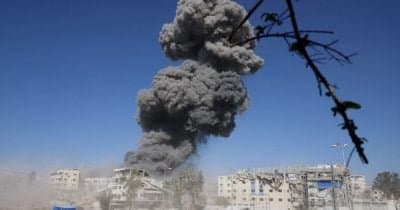
Kuwait's military intercepted multiple Iranian ballistic missiles and drones entering its airspace, resulting in injuries and damage to civilian and military targets. This development demonstrates the intensification of the ongoing 2026 conflict involving Iran and Gulf states following U.S.-Israeli strikes on Iran's missile infrastructure.
Details of the Incident and Regional Impact
The attacks reportedly came from Iran's Islamic Revolutionary Guard Corps. Kuwait's air defense systems actively engaged and neutralized numerous incoming threats despite recent weeks showing a slowdown in Iranian strikes. The incident confirms continued instability and heightens the risk of broader escalation in the Gulf region.
Markets have responded to these events by increasing the perceived probability of further Iranian military actions against Gulf countries. The frequency and severity of attacks serve as indicators for prediction markets tracking potential conflict developments.
Strategic Responses and Future Monitoring
International observers will closely watch Kuwait's next moves and the involvement of U.S. forces stationed in the region. Statements or actions from Iran's leadership such as Supreme Leader Ali Khamenei or IRGC Commander Hossein Salami could influence both diplomatic and market dynamics. Efforts by Gulf mediators like Qatar and Oman may play a role in de-escalation, impacting regional security and economic sentiment.
This material is for informational purposes only and does not constitute financial advice