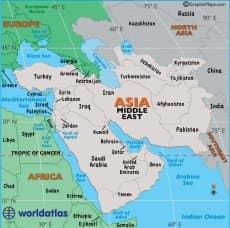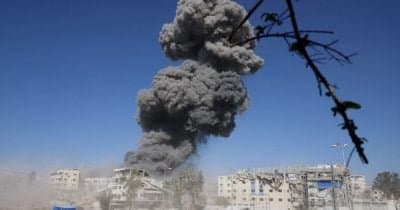
Israel has officially shifted its national security approach towards a more aggressive posture, moving away from previously passive measures, according to reports from the Jerusalem Post.
This strategic change includes an escalation in military actions and the expansion of settlements in the regions of Judea and Samaria. The government has also reaffirmed its opposition to the establishment of a Palestinian state, signaling a firm stand in regional policy.
Strategic Policy and Regional Impact
Israel's updated doctrine emphasizes preemptive military strikes and decisive operations aimed at countering threats from regional adversaries, notably Iran and its affiliated groups. This posture reflects an intent to proactively manage security risks instead of relying on deterrence or stability as a principal strategy.
These developments are seen as part of Israel's broader efforts to consolidate control and deter hostile incursions within its neighboring territories and beyond.
Diplomatic Outlook and Market Reaction
Market indicators have quickly factored in this hardened stance, interpreting it as a significant reduction in the likelihood of diplomatic talks between Israel and Hezbollah by the end of July 2026. Probability markets currently assign just a 2.4% chance for a meeting in July and 5.0% for August.
Such figures reflect growing skepticism regarding the potential for peace discussions, aligning with the observed intensification of Israeli military and political moves.
Key Observations and Future Signals
- Statements by important figures like Israeli Prime Minister Benjamin Netanyahu or Hezbollah leader Nasrallah will be closely monitored for any signs of a policy shift.
- Regional events, including military engagements or diplomatic actions by foreign actors such as the United States, could alter current expectations.
the probability of an Israel-Hezbollah diplomatic meeting remains low amid ongoing strategic aggressiveness.
This article does not constitute financial advice.