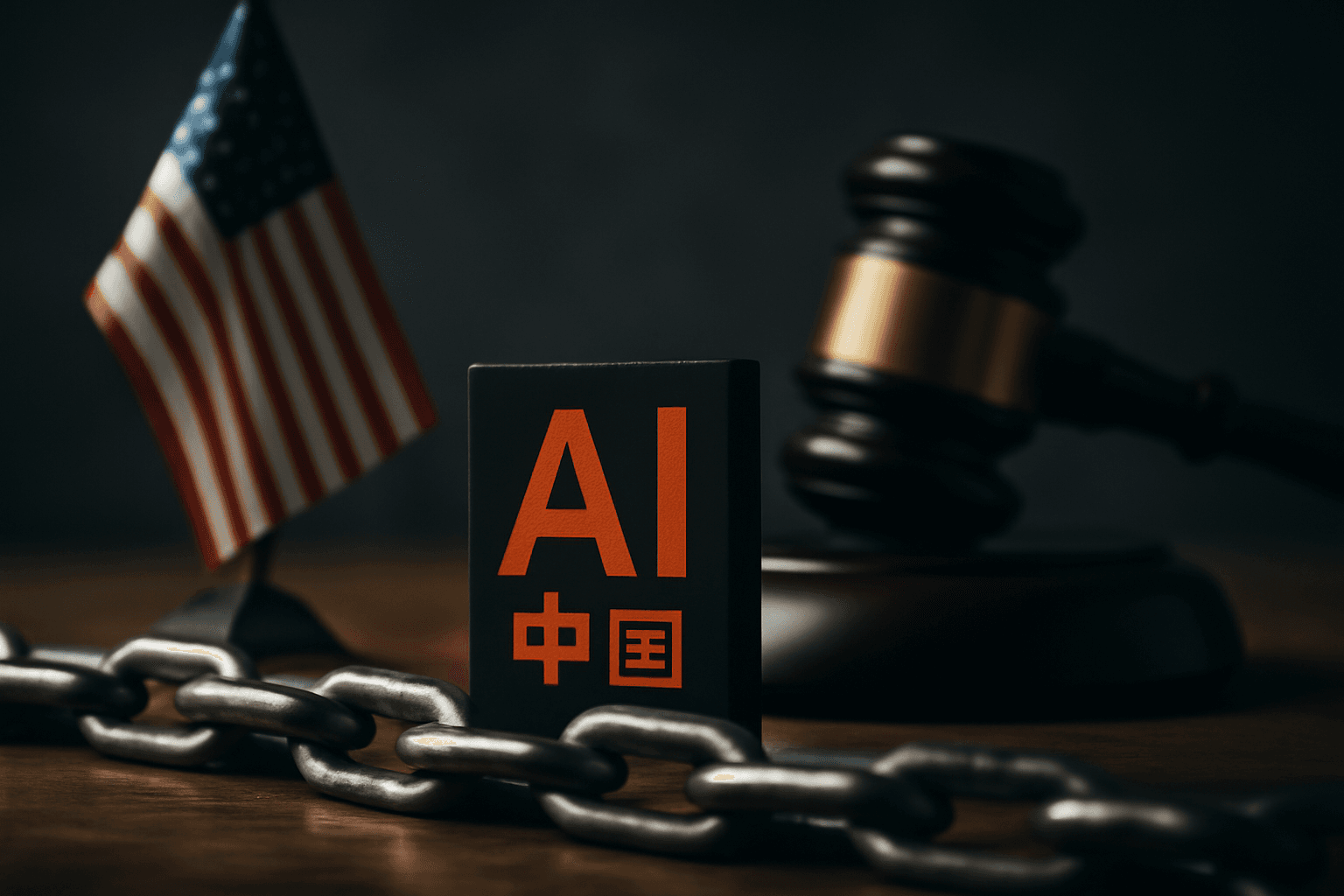
The US government is implementing a strategic containment of Chinese AI technologies rather than an outright ban. Since 2025, the Trump administration has been quietly developing measures to limit Chinese AI models’ influence in the US market through regulatory and security channels.
Federal agencies such as the Department of Commerce, the National Security Agency, and the White House have coordinated efforts to explore sanctions, security alerts, and executive orders aimed at companies hosting or deploying Chinese AI tools. This approach avoids a formal prohibition but increases regulatory pressure on US businesses involved with these technologies.
Early Policy Development and Resistance
Draft rules aimed at safeguarding domestic supply chains from Chinese open-source AI models were prepared as early as summer 2025. However, initial attempts to impose strict controls met with internal pushback within the government, where some advisers advocated for lighter regulations. This resistance slowed progress temporarily.
Kimi K3 Model Spurs Policy Shift
The release of China’s Kimi K3 AI model marked a turning point in US policy debates. The model’s advanced capabilities transformed the perceived threat from abstract to immediate, strengthening voices within the administration that supported tighter restrictions. Changes in White House personnel also contributed to this shift.
Regulatory Tactics and Industry Impact
Rather than an outright ban, the US strategy employs a combination of procurement rules, increased liability risks for companies, and regulatory ambiguity designed to discourage engagement with Chinese AI models. This method is described by strategists as a "fear, uncertainty, and doubt" approach. It pressures companies through indirect means, raising the cost and complexity of working with these technologies.
This gradual squeeze aligns with broader US efforts to secure critical technology supply chains and minimize geopolitical risks. The close coordination among federal agencies signals the seriousness of the threat assessment.
This article is for informational purposes and does not constitute financial advice.