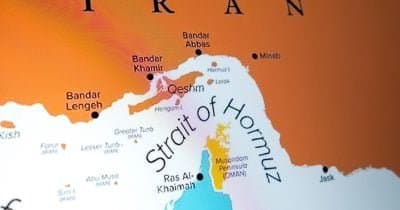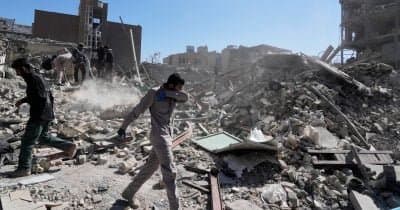
The United States has launched airstrikes targeting Abadan, a key city in western Iran known for its historic oil refinery, according to Iranian officials. These strikes mark a significant escalation in the ongoing 2026 Iran conflict following the collapse of a 60-day ceasefire earlier this month.
Strategic Targeting of Energy Facilities
Abadan hosts the Middle East's oldest oil refinery, making it a key asset in Iran's energy sector. By striking this facility, the U.S. appears to focus on disrupting Iran's petroleum infrastructure, potentially aiming to weaken its economic and military capabilities. This shift could intensify regional tensions and prolong the conflict.
Iran’s Response and Broader Military Actions
In retaliation for the airstrikes, Iran has conducted missile and drone attacks on U.S. bases located in the Persian Gulf. Concurrently, the U.S. has maintained and increased economic pressures through sanctions and naval blockades, compounding the strain on Iran's regime. These developments shows the deepening hostilities between the two nations.
Market Implications and Risk Assessments
- The likelihood of regime change in Iran by the end of 2026 has risen to a 10.5% probability, reflecting market concerns over political stability.
- Market odds for a complete closure of Iranian airspace by July 31 have increased to 36.5%, indicating rising anticipation of further military escalation.
Observers should watch for additional U.S. military operations and Iranian countermeasures, as these will influence both regional stability and market sentiment. Statements from leaders such as U.S. President Donald Trump or Iranian Supreme Leader Mojtaba Khamenei may provide clues about potential conflict trajectories. Any official confirmation of airspace closures will further impact expectations.
Market reaction shows growing volatility as participants adjust to heightened risk in the region.