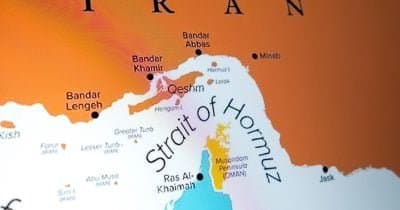
"We will protect our sovereignty and prevent any misuse of the Strait of Hormuz," stated Iran's Foreign Ministry spokesperson, reaffirming the country's steadfast position amid ongoing hostilities with the United States. This declaration shows Tehran's resolve to assert control over this critical maritime passage, which remains a hotspot due to the 2026 Iran war and escalating military confrontations.
The Strait of Hormuz is vital for global oil transportation, accounting for a significant portion of worldwide energy shipments. Market sentiment reflects this tension: the probability that traffic through the strait will normalize by August 31 currently stands at 15.5%, a slight decrease from 18% a week earlier but up from 10% the day before. These changes reveal close monitoring of Iran’s statements and regional military moves by traders and analysts alike. The persistent conflict and Iran's uncompromising stance on sovereignty suggest that the flow of maritime traffic could remain disrupted in the foreseeable future.
The geopolitical environment surrounding the strait remains fraught, with international actors like the United Nations and Gulf states rejecting Tehran’s unilateral claims. These entities advocate for governance based on international maritime law, directly opposing Iran’s assertions. Such divergence complicates efforts to stabilize navigation and impacts global oil markets, which are already sensitive to supply disruptions as reflected in the recent oil price increases amid US-Iran conflict.
Observers are advised to watch for potential diplomatic breakthroughs or escalations, including military actions or joint announcements by the US and Iran that could alter the status quo. Tracking official statements and vessel movements remains key for anticipating any shifts in control or traffic normalization. Volatility in market pricing will likely continue as long as these tensions persist.
This material is for informational purposes and does not constitute financial advice.