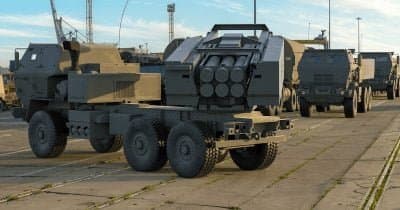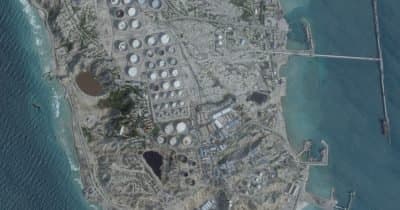
On Monday, Iran’s Energy Minister Abbas Aliabadi disclosed major damage to the country's energy and water infrastructure caused by recent US airstrikes. These attacks follow Iranian assaults on commercial vessels in the Strait of Hormuz and represent a sharp escalation in hostilities that strain civilian life amid a severe heatwave.
The bombed facilities have impaired a significant segment of Iran’s power grid, especially in the southern regions. Authorities are racing to repair the outages, aiming to restore normal power supply within five weeks. The disruption complicates efforts to address the heatwave conditions affecting millions.
Diplomatic Impact and Nuclear Deal Prospects
Damage to critical infrastructure deepens diplomatic rifts between Washington and Tehran. Market forecasts now reflect a steep drop in the chances of a US-Iran nuclear agreement by the August 13, 2026 deadline, with current probabilities hovering near 1.9%.
This military escalation aligns with analysts' view that reaching a nuclear deal in the near term has become less likely. Signals from both sides, including statements expected from US President Donald Trump and Iran’s Supreme Leader Ayatollah Ali Khamenei, could further sway market and diplomatic dynamics.
Regional Stability and Ongoing Tensions
The airstrikes come amid a cycle of retaliatory actions, raising concerns about broader regional instability. International mediators such as Oman remain involved, attempting to steer negotiations but so far with limited success due to the military confrontations.
The unfolding situation requires close attention to further military engagements and diplomatic communications as they will likely dictate the trajectory of conflict and any potential peace talks.
This material is provided for information only and does not constitute financial advice.