U.S. Central Command has carried out a significant series of strikes against Iran, targeting over 300 military locations in response to escalating tensions, particularly following the attack on the Cyprus-flagged vessel M/V GFS Galaxy. This latest military action, which commenced over the weekend, marks a continuation of hostilities between Washington and Tehran.
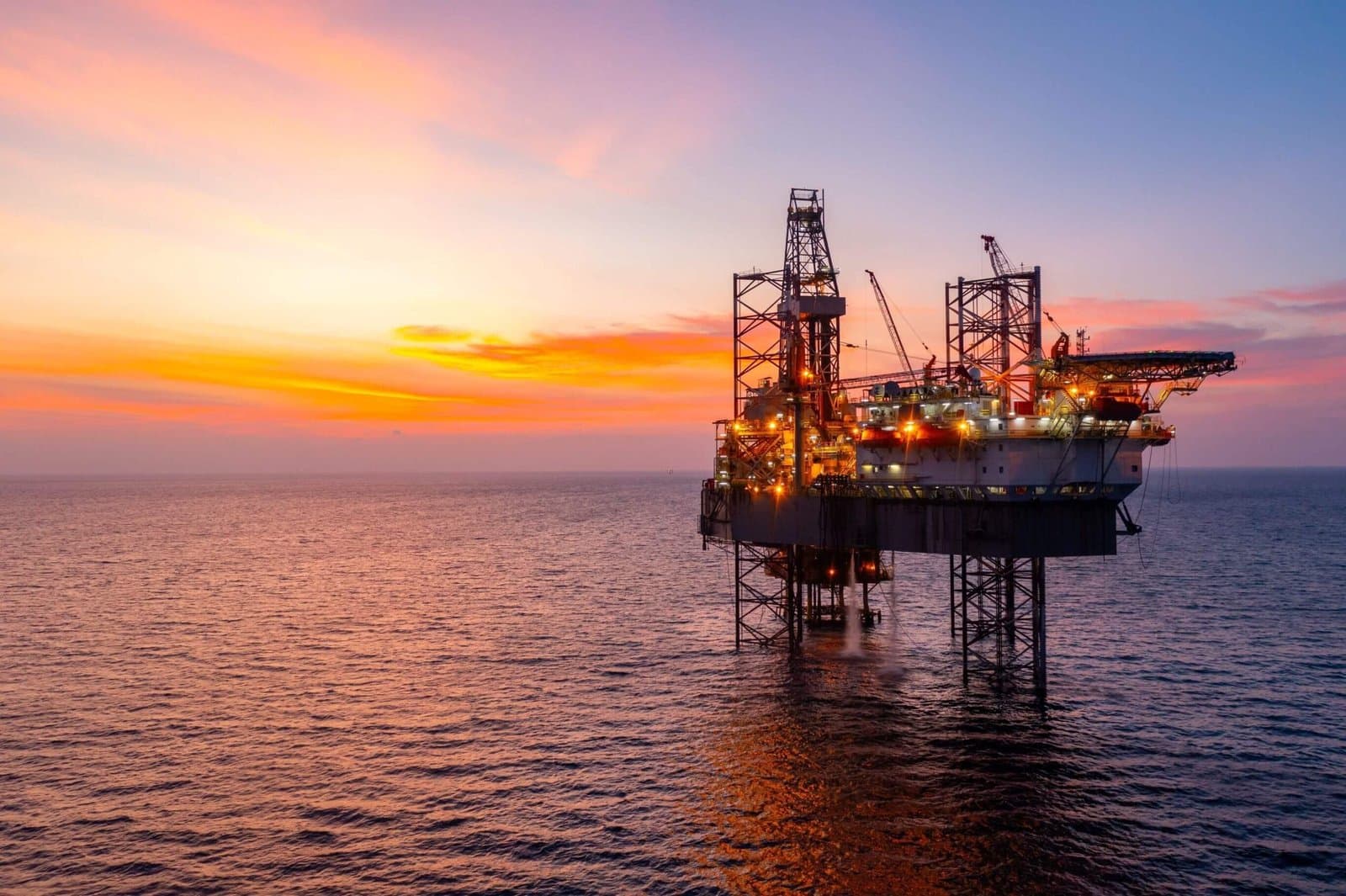
The strikes were implemented to degrade Iran's capability to threaten commercial shipping in the strategic Strait of Hormuz, where approximately one-fifth of the world's oil supply transits. On the first day of the offensive, U.S. forces targeted around 140 sites, emphasizing the scale and urgency of the operation aimed at protecting crucial maritime routes.
Iran's military response has included retaliation targeting U.S. and allied military facilities across the Gulf region, with the UAE successfully intercepting Iranian missiles and drones in a heightened atmosphere of alarm, which saw warning sirens activated in Bahrain and reports of explosions in Doha. As tensions rise, Iran's Islamic Revolutionary Guard Corps announced it had disabled another vessel in the Strait, further escalating an already precarious situation.
The market reaction has been swift; oil prices surged more than 3% on Monday amid fears of supply disruptions that could have global ramifications. Traders are particularly concerned about the potential for extended blockages in the Strait of Hormuz, which could significantly elevate fuel prices worldwide. Concurrently, U.S. stock futures took a hit following the news of fresh strikes, indicating the financial market's sensitivity to geopolitical developments.
Iran's Foreign Minister has been engaged in talks with Oman, signaling ongoing diplomatic efforts aimed at reducing tensions. However, the prospects for a resolution appear dim, as Iran has declared the Strait closed “until further notice.” President Trump, in contrast, stated that the waterway remains open for commercial shipping, reflecting the conflicting narratives between the two nations.
With the situation evolving, rising oil prices are emerging as a critical political issue for the Trump administration ahead of the approaching congressional elections. Marine Traffic data reveal a notable decrease in vessel movements through Hormuz, adding another layer of uncertainty to the economic landscape.
This material is for informational purposes only and does not constitute financial advice.