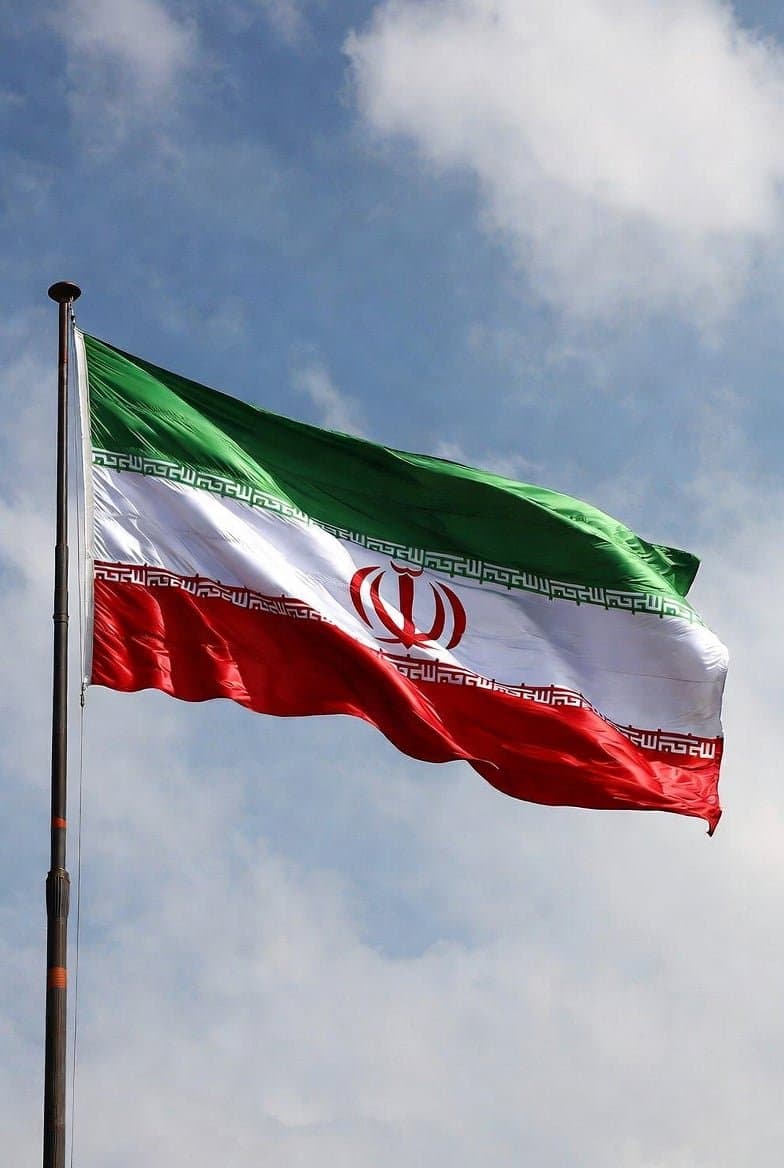
Oil prices escalated on Monday as renewed conflicts between the U.S. and Iran sparked concerns over crude supply routes in the strategically vital Strait of Hormuz. Brent crude rose by 3.5% to $78.68 per barrel, while West Texas Intermediate saw a similar increase, reaching $73.89 per barrel. Both benchmarks experienced even higher peaks earlier in the day, with increases of up to 4.5% before retracting.
Conflict Dynamics and Immediate Impacts
The surge in oil prices follows Iranian drone and missile strikes targeting Gulf states, including Qatar and the United Arab Emirates. These attacks were reportedly in retaliation for recent U.S. military actions against Iranian facilities. In a significant escalation, Iran's Revolutionary Guards announced the closure of the Strait of Hormuz, citing the attack on a commercial vessel that resulted in a fire and forced the crew to evacuate. This critical waterway is responsible for a substantial portion of global oil transport, moving crude from major producers like Saudi Arabia and Iraq.
Despite Iran's claims, the U.S. military's Central Command asserted that the strait was open for lawful vessel transit, contradicting Tehran's shutdown declaration. Nonetheless, shipping activity in the region has seen a dramatic decline, with only six vessels reported to have transited the strait on Sunday the lowest number in five weeks. Analysts from ANZ noted a cautious approach among shipping operators, which has further slowed vessel movement.
Broader Market Reactions
The geopolitical tensions have extended beyond oil markets, impacting Asian equity markets significantly. The South Korean Kospi index fell sharply, dropping as much as 9%, influenced heavily by a sell-off in technology stocks. Major firms such as SK Hynix saw a decline of over 15%, marking a nearly 40% drop from its recent peak last month. Samsung also faced a fall of more than 10%, while other Japanese tech companies like Advantest and Tokyo Electron followed suit in the downward trend.
Investors are closely monitoring the forthcoming earnings reports, including those from TSMC and ASML, which are expected to influence market dynamics further. With the volatile situation in the Middle East and the impending earnings season, market stakeholders are positioned for potential fluctuations.
This information is for informational purposes only and should not be considered as financial advice.