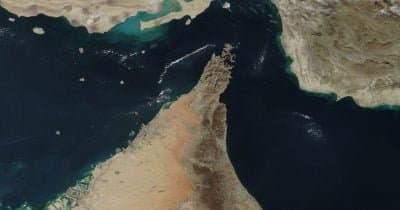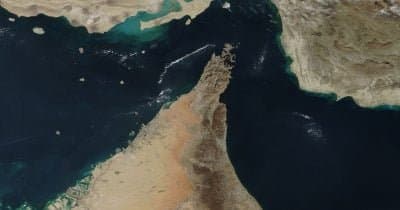
Trump just said Iran talks are moving fast. So fast, he claims, that the Strait of Hormuz could be operating again by tomorrow. One of the world's most critical shipping chokepoints, where roughly a third of all seaborne oil passes through, has been under effective Iranian blockade. Opening it back up would reshape global energy markets instantly.
The core issue hasn't changed. The U.S. wants guarantees Iran won't build nuclear weapons. Iran wants the blockade lifted. Trump's team is framing this as straightforward, but geopolitics rarely works that way. Still, the fact that both sides are talking at all suggests something shifted.
Markets are hedging their bets
Prediction markets are pricing this cautiously. Traders put a 55.5% chance the blockade ends by August 31, barely above a coin flip. That dropped slightly from 56% a day earlier, which tells you nobody's fully convinced despite Trump's optimism. But zoom out to year-end and confidence jumps to 90%, implying most believe this gets resolved eventually, just probably not overnight.
The broader debate over Iran's toll scheme on the Hormuz route shows how politically charged this is. Every day the strait stays closed costs global trade billions. Oil prices absorb the risk premium. Shipping companies reroute around Africa, adding weeks to voyages.
What happens next actually matters
Watch for official statements from either government. If Iran suddenly removes military assets from the strait or U.S. negotiators release a joint statement, markets will move hard. Mid-August and the August 31 deadline are the real test dates. If nothing happens by then, the 90% year-end probability will start looking naive.
The nuclear question remains the sticking point. Trump's administration is clear Iran cannot pursue weapons, period. That's non-negotiable. Whether Iran agrees to intrusive inspections and enrichment caps will determine if this actually closes.
This article covers geopolitical and energy market developments. It's informational only and not financial advice.