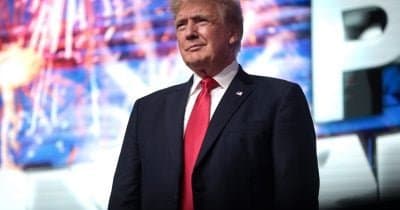
In a recent declaration, U.S. President Donald Trump articulated a stern warning concerning Iran's stance on negotiations. "If no deal is reached, the consequences will be severe," Trump stated, reflecting the administration’s intensified pressure on Tehran. This statement follows a renewed phase of conflict involving the U.S., Israel, and Iran after a temporary ceasefire came to an end, igniting fears of escalating military engagement.
Current diplomatic efforts have been hindered by Trump's refusal to acknowledge Iran's proposed peace initiatives. He deems these overtures unacceptable, arguing that previous agreements have been rendered void due to continued hostilities. The White House’s approach appears to pivot towards a strategy of “maximum coercion,” a term Trump uses to describe the administration's intent to apply significant pressure on Iran, although the deployment of U.S. military forces on Iranian soil remains absent.
Market analysts are responding to these developments with caution, as the likelihood of a productive diplomatic meeting in the UAE seems to diminish. Participants are currently pricing in a mere 1% chance of the UAE hosting the next U.S.-Iran talks by September 30. This shift indicates growing skepticism about potential negotiations and a sense that the diplomatic landscape is increasingly fraught.
Upcoming announcements regarding the U.S.-Iran conflict could further sway market perceptions regarding future discussions. Any formal confirmation of a venue for peace talks or notable changes in military posturing from either side may significantly alter market dynamics. Observers remain on alert as developments unfold, particularly considering the history of swift changes in diplomatic stances in the region.
This material is for informational purposes only and does not constitute financial advice.