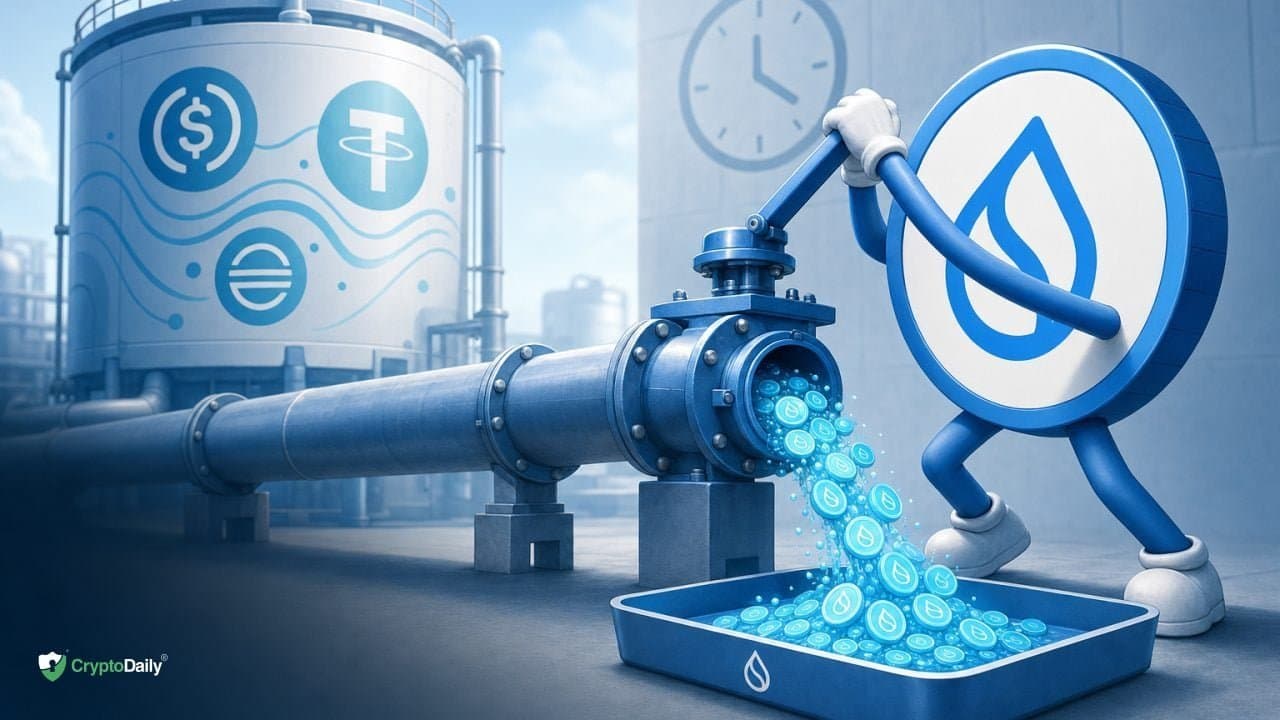
Sui has introduced a fresh way to support its native token by channeling stablecoin yields into daily SUI buybacks. Instead of letting interest earned on stablecoin reserves sit idle, these returns now fuel steady purchases in the open market. This approach aims to create consistent demand and help balance token supply pressures from emissions and unlock events.
The mechanism relies on interest generated from stablecoin holdings and yield-bearing dollar positions managed by ecosystem treasuries. Yields come from two main sources: the interest from fiat-backed stablecoins’ reserve assets like T-bills or cash, and conservative on-chain yield products such as tokenized government securities or money-market wrappers. By redirecting those returns into scheduled buy programs running every day, Sui attempts to mitigate large price swings caused by bulk weekly buys.
Stablecoin Float and Sui’s Trading Dynamics
How much buying power this method holds depends heavily on the size of the stablecoin float locked on Sui and current interest rates. For example, DefiLlama data shows Sui’s on-chain stablecoin market cap hovering around $428 million as of early August 2026, setting a substantial base for yield generation. If stablecoin balances shrink or rates drop, buyback capacity diminishes accordingly. The daily time-weighted average price (TWAP) style purchases also reduce risks like slippage and front-running that larger, less frequent trades might face.
It’s important to note the risks involved: opaque treasury operations, stablecoin peg instability, and the false assumption that these buybacks guarantee a price floor. The program’s size and consistency depend entirely on ecosystem treasury reserves and market conditions, not on hard guarantees. Still, using yield to fund buybacks cleverly recycles ecosystem dollars back into the native token, supporting its value without artificial inflation.
Material is for informational purposes and not financial advice.