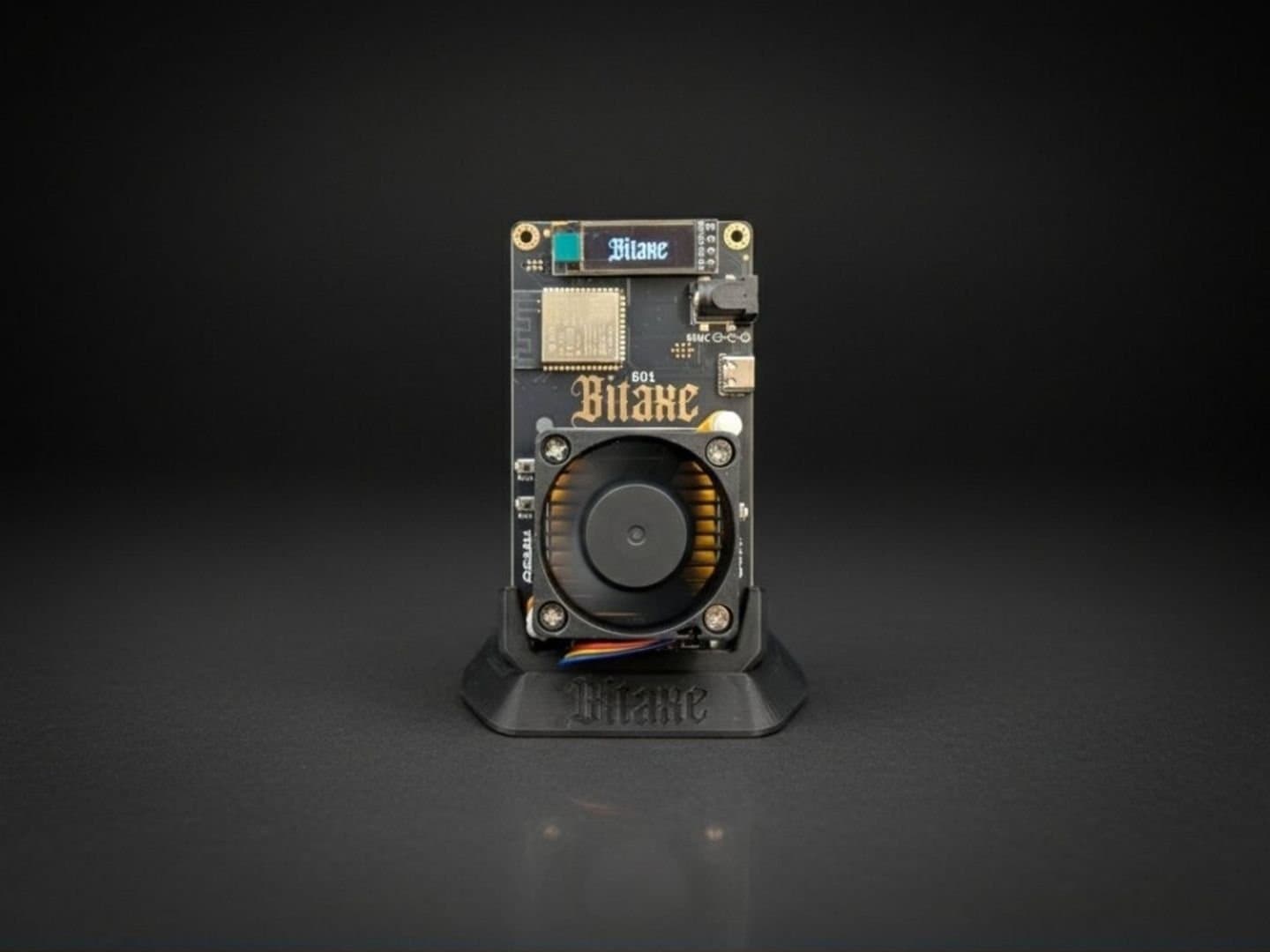
A Bitcoin miner, operating solo, successfully mined block 957,382 and secured rewards totaling 3.1382 BTC, approximately valued at $200,000. The operation was conducted using a Bitaxe device, a low-cost mining machine priced at $150, which ran for eight hours through a service called Public Pool.
The Bitaxe registered an average hashing power of 995 gigahashes per second. This performance is notably small within the broader Bitcoin network environment, which has hundreds of exahashes per second of computational power. Estimates suggest that under typical conditions, a machine with this capacity would only discover a block once in roughly 18,000 years. However, the timing of block discoveries varies, as each valid hash can potentially result in a new block.
The payout received by the miner included the standard block subsidy of 3.125 BTC along with an additional 0.0132 BTC from transaction fees. This marked the second occasion a Bitaxe managed to mine a block through the Public Pool service, which operates differently from traditional mining pools by allowing participants to retain full rewards without dividing them amongst contributors.
In the past year, solo miners have collectively discovered 24 blocks, representing a 41% increase from the previous year. Out of these, twelve blocks were mined in 2026 alone. Historical data indicates that other recent solo successes have come from miners using various services or renting computational power, such as CKPool.
While Bitaxe devices present an accessible option for aspiring miners, their low expected income means that many users may operate these machines for extended durations without significant results. Mining difficulties have eased somewhat recently, which may contribute to this uptick in solo mining successes, but this does not guarantee future predictability.
This article is for informational purposes only and does not constitute financial advice.