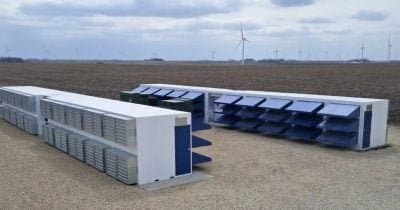
A new Bitcoin mining facility is being proposed in Starkville, Mississippi, which local officials claim could potentially lower energy bills for residents. This project, if approved, would establish a 30 megawatt operation adjacent to a substation, making it the second-largest customer of Starkville Utilities.
The facility's proposal first appeared on June 16, 2026, and it is intended to draw up to 30 MW of power continuously, along with up to 20,000 gallons of water each day for cooling purposes. Local leaders are suggesting that the addition of a large customer to the utility's grid can help distribute fixed infrastructure costs among more users, potentially leading to lower costs for everyone.
Current Status of the Proposal
As of now, the project is still undergoing initial reviews and has not received formal approval. There are multiple regulatory and community input processes that must be completed before the facility can be greenlit. This situation echoes similar cases in states like Texas, Kentucky, and New York, where mining operations have sometimes shifted costs unfairly onto residential customers.
Concerns Over Energy Cost Claims
While the idea of reduced energy bills sounds promising, there's no documented plan that outlines how this particular project would achieve a direct decrease in residential energy costs. Although theoretically feasible under certain rate structures, there's a lack of specific substantiation for the claims made by proponents of the facility.
In 2023, Mississippi took steps to support Bitcoin mining with state-level legislation, which reflects an increasingly favorable regulatory environment. However, the dynamics of energy pricing in relation to Bitcoin mining remain complex and controversial.
Mississippi's Growing Role in Bitcoin Mining
Mississippi is becoming a noteworthy player in the Bitcoin mining landscape, particularly after CleanSpark, a major publicly traded mining company, acquired several sites in the state in 2024. If the Starkville facility receives approval, its location next to an existing utility substation suggests strategic planning to minimize infrastructure expenses related to connecting to the power grid. The implications of this development for local energy rates and community economics remain to be seen.
This material is for informational purposes only and should not be considered financial advice.