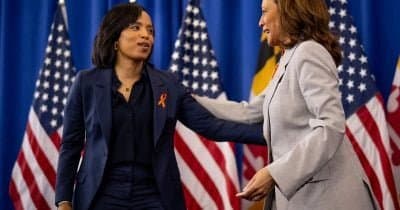
"This proposal is an unserious offer," Senator Angela Alsobrooks (D-Md.) declared in response to the White House's suggestion to assign exclusive enforcement authority of the Clarity Act's ethics rules to the Department of Justice. Alsobrooks made clear she would not back the bill if the enforcement framework remains unchanged, signaling significant resistance among lawmakers. The Clarity Act, intended as a key reform to the US crypto market structure, has stalled amid ongoing debates on how enforcement responsibilities should be managed.
Disagreements over who should oversee ethical compliance have become a roadblock to scheduling a Senate vote on the legislation, delaying its advancement. Market analysts now price in a lower probability that this bill will become law in 2026, reflecting the uncertainty created by the legislative deadlock. Alsobrooks' critique shows the complexity of striking a consensus that satisfies various political and regulatory interests.
Observers are watching for any shifts in the White House's stance that might address these concerns and reopen negotiations in the Senate. The timing of a floor vote or new discussions led by Senate leaders could mark progress toward resolving the impasse. Statements from other influential figures, including President Trump, also could influence the bill’s future prospects.
The Clarity Act remains a focal point within broader efforts to define regulatory boundaries for cryptocurrencies in the United States. Its uncertain path contrasts with other initiatives such as the Open USD Consortium's market competition efforts, highlighting the fragmented pace of crypto regulation in Washington.
This material is for informational purposes and not financial advice.