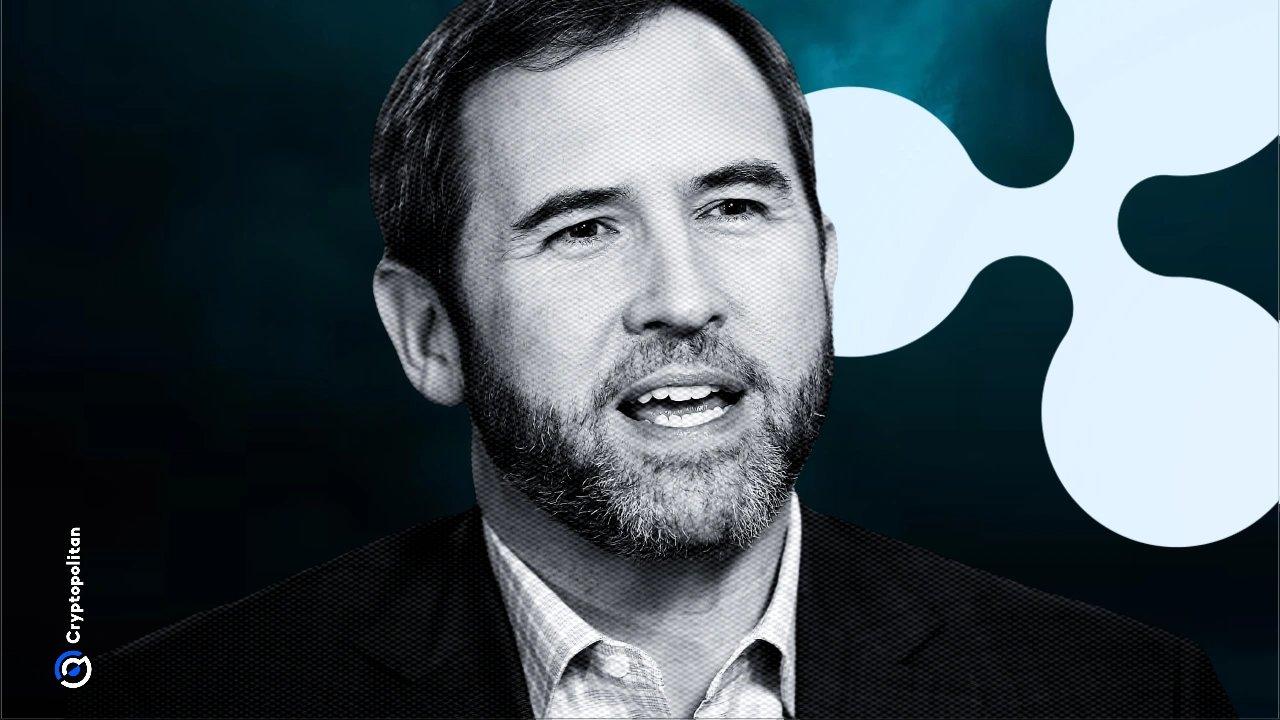
Ripple CEO Brad Garlinghouse revealed that the company faced severe challenges after being sued by the SEC in 2020, coming close to shutting down. He described the daunting nature of the legal battle, noting that the SEC has access to vast resources, which made the decision to continue fighting particularly difficult.
During a recent talk at the KU School of Business, Garlinghouse recounted the turmoil that Ripple experienced during this tumultuous period. He emphasized the intensity of the situation, stating that it forced the company to weigh its options between compliance and a robust defense against the SEC's actions.
Despite the overwhelming odds, Ripple opted to confront the SEC, a decision that Garlinghouse explained was not taken lightly. This choice was pivotal for the company's future as legal uncertainties loomed large over its operations and XRP's market status.
The SEC lawsuit has drawn widespread attention within the cryptocurrency industry, highlighting the contentious relationship between regulators and digital asset companies. As Ripple continues to navigate these legal waters, its case could set significant precedents for the broader crypto market, particularly regarding how digital assets are classified.
Garlinghouse's comments reflect a broader concern among cryptocurrency leaders about regulatory clarity and the implications for innovation in the sector. Many in the industry are closely watching the outcome of Ripple's case and its potential effects on similar companies facing regulatory scrutiny.
In light of these developments, the cryptocurrency community remains hopeful that a favorable ruling could lead to more conducive regulations for digital currencies in the future. As Ripple moves forward with its legal defense, the stakes are high not just for the company, but for the entire cryptocurrency market.
This material is informational and not financial advice.