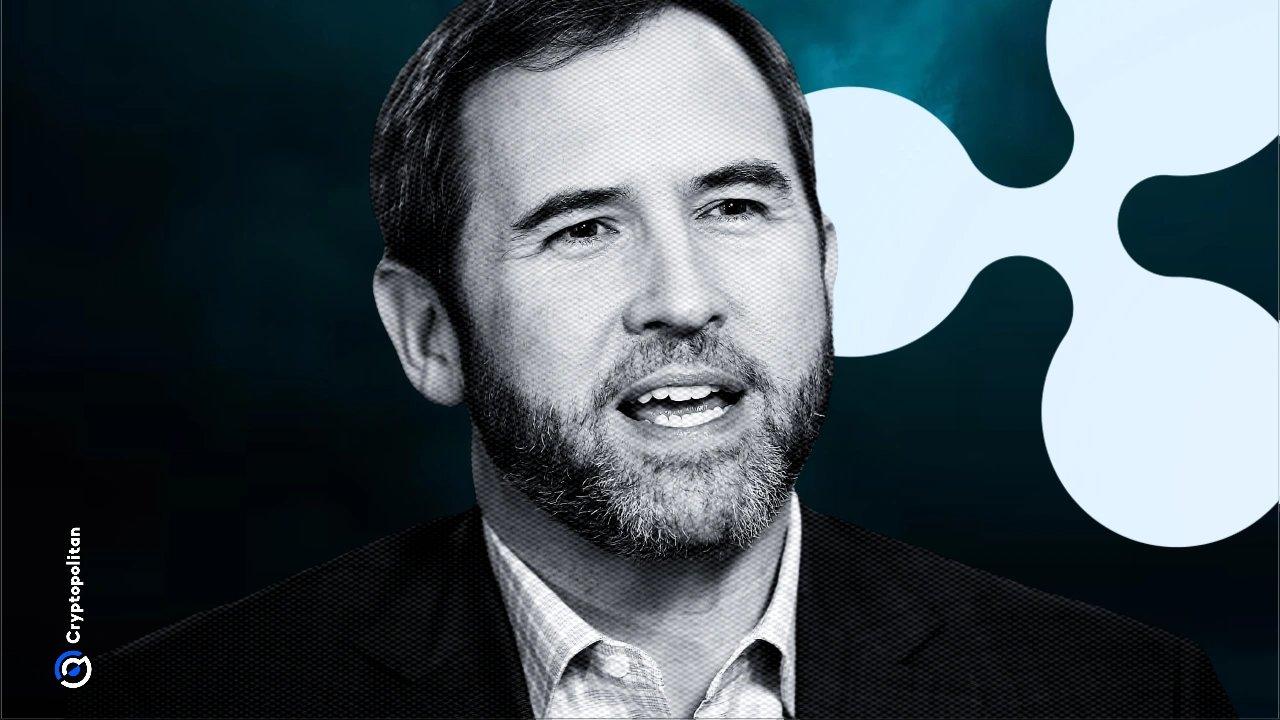
Ripple executives, including CEO Brad Garlinghouse, revealed that the company's future was uncertain during the early stages of its legal battle against the U.S. Securities and Exchange Commission (SEC) in December 2020. In a recent discussion at the University of Kansas School of Business, Garlinghouse admitted that the prospect of shutting down the company was seriously considered at that time.
According to statements from Ripple's Chief Technology Officer Emeritus David Schwartz, the pressure was intense, with legal advice suggesting that the company was 'unsavable.' Schwartz remarked that this was due to the grim assessments provided by their legal team, which indicated that a deal needed to be struck to secure the company's survival.
Garlinghouse recalled a critical moment where both he and co-founder Chris Larsen contemplated dissolving the company in what they saw as a necessary move to avoid further losses. They even discussed the idea of distributing XRP to shareholders as a final step if the decision was made to close operations. He noted that while this might have been the easier path, it ultimately would have been a detrimental outcome for the firm.
Despite doubts from social media commentators questioning how a multi-billion-dollar company could be on the brink of collapse so swiftly, Schwartz clarified the severity of their situation. He suggested that the SEC's targeting of Garlinghouse and Larsen specifically was a strategic move intended to undermine the leadership's resolve and expedite a settlement.
These revelations have sparked renewed conversations about the SEC’s enforcement tactics, with Schwartz referencing industry competitors and suggesting that some of the SEC's actions might have been influenced by outside pressures. This perspective reignites long-standing theories around the agency's approach to cryptocurrency regulation, often dubbed 'ETHGate.' Schwartz emphasized that while he lacks concrete evidence for such claims, the climate at the time was fraught with suspicion and uncertainty.
As Ripple continues its legal battle, the implications of these developments could resonate throughout the cryptocurrency sector. The firm's narrative from near-collapse to continued operations highlights the complexities facing blockchain firms navigating regulatory scrutiny.
This material is informational and should not be considered financial advice.