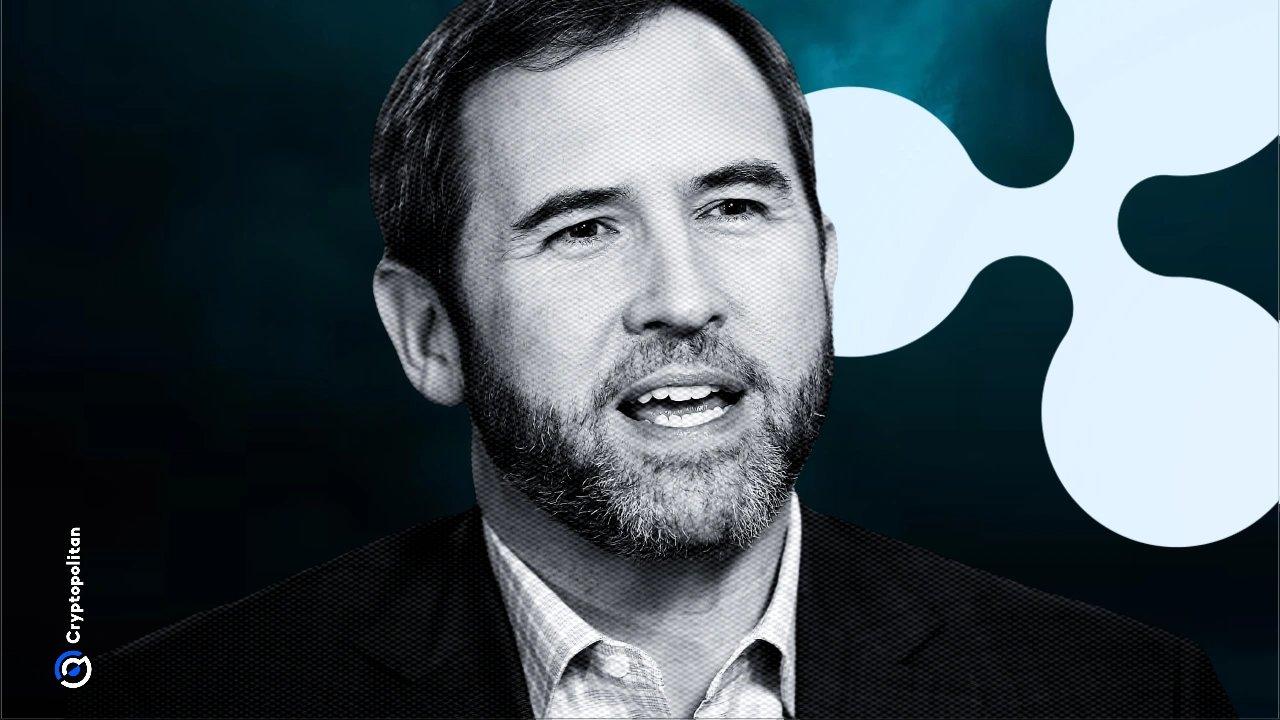
Brad Garlinghouse, the CEO of Ripple, disclosed that the company faced the possibility of closure following a lawsuit from the U.S. Securities and Exchange Commission (SEC) in 2020. The SEC's actions nearly drove Ripple to shut down, but the company ultimately chose to contest the lawsuit to protect hundreds of jobs.
The legal battle lasted four years and incurred costs of approximately $150 million. Garlinghouse explained that while they could have opted to divide XRP among shareholders and abandon their claim to the tokens, they believed that this would jeopardize the employment of many of their staff.
During the struggle, Ripple's U.S. operations were effectively stagnant for about five years. The SEC's lawsuit specifically targeted Garlinghouse regarding the sale of XRP. He noted that regulators had offered to dismiss his case in exchange for a fine while continuing their actions against Ripple, a proposal he declined.
Significance of XRP Transactions
Garlinghouse highlighted the operational efficiency of XRP, stating that transactions typically settle within four seconds and cost less than one cent. He contrasted this with Bitcoin, which can take around ten minutes and cost approximately $10 per transaction. Ripple's software is primarily marketed to banks and financial institutions rather than individual users. It utilizes the open-source XRP Ledger in its services.
Challenges with SEC Regulations
Despite the SEC's classification of XRP as a security, Garlinghouse contended that holders of XRP do not receive any of the rights typically associated with securities such as shares or dividends, arguing that XRP functions more like a currency or commodity. He emphasized that Ripple remains a private enterprise, raising funds through private capital rather than public markets.
This material is informational and not financial advice.