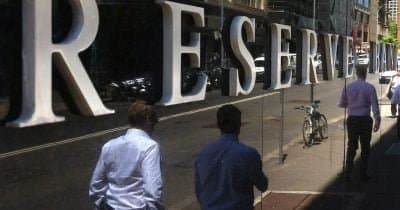
"The economic implications of the US-Iran conflict are substantial," noted an economist, reflecting the sentiments surrounding the current geopolitical situation. The Reserve Bank of Australia (RBA) is facing pressure to increase interest rates again, with indications suggesting a fourth hike may be on the horizon. This comes in response to a year already marked by three rate increases aimed at countering inflation driven by the ongoing volatility in oil prices.
The unstable relationship between the US and Iran has resulted in heightened concerns over global economic stability, particularly regarding how oil price fluctuations could further impact markets. Recent breakdowns in ceasefire agreements have made economists wary of potential disruptions, influencing monetary policy discussions within Australia. The RBA's actions are increasingly viewed as a direct reaction to these escalating tensions, as the ongoing conflict threatens to exacerbate inflationary pressures.
Market analysts have observed a drop in the likelihood of a US-Iran agreement by 2026. This has affected pricing in various sub-markets, reflecting the growing unease surrounding negotiations. As the situation develops, any further surges in oil prices could prompt the RBA to implement additional monetary tightening measures, complicating the outlook for Australian economic policies.
As the week progresses, investors will be closely monitoring any significant developments from both the US and Iran that could shed light on the possibility of de-escalation. Furthermore, fluctuations in global oil prices will play a crucial role in shaping both international market responses and the RBA's future decisions. Observers will also be attentive to any official statements from the RBA regarding upcoming interest rate strategies.
This material is for informational purposes only and does not constitute financial advice.