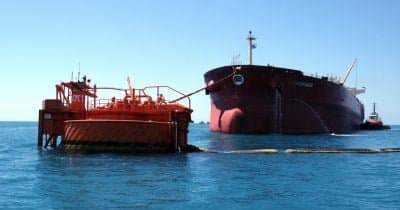
The Caspian Pipeline Consortium halted oil loading at its Black Sea terminal near Novorossiysk following a drone strike on November 29, 2025. The attack disabled the Single Point Mooring 2, one of the key moorings for oil tankers, instantly stopping its operations and forcing vessels to leave the area. This disruption impacted more than 1% of worldwide oil supply.
Significance of the CPC Terminal in Global Oil Flows
The CPC pipeline handles approximately 80% of Kazakhstan's crude exports, making it a vital artery for regional energy trade. The affected mooring accounted for a third of the terminal's loading capacity, critically reducing overall throughput. No casualties or oil spills occurred during the incident, avoiding an environmental disaster.
Kazakhstan's Response and Ongoing Vulnerabilities
Following the strike, Kazakhstan's energy ministry swiftly rerouted exports through the Baku-Tbilisi-Ceyhan (BTC) pipeline. This alternative bypasses Russia, allowing continued oil flows to reach Turkey’s Mediterranean coast. By January 2026, loading resumed but with only one of the three moorings operational, indicating diminished capacity and less operational redundancy. Another drone event in July 2026 near the CPC terminal highlighted that security risks persist, keeping the facility under threat.
Market Implications and Investor Considerations
For oil markets, the strike demonstrated the tangible effects of geopolitical risks on supply constraints. Disruptions affecting over 1% of global supply can tighten an already strained market. Investors should watch for signs of repeated attacks, which could indicate the terminal as a recurring target within a wider conflict. Despite the incident, broad market contagion has remained limited due to Kazakhstan’s diversion strategy through the BTC pipeline. Monitoring Kazakh export volumes and BTC pipeline usage will be key for assessing whether these disruptions escalate or remain contained.
This article is for informational purposes only and is not financial advice.