Qatar's Defence Ministry confirmed the successful interception of a missile attack, a move seen as indicative of escalating tensions in the Gulf region. A spokesperson noted, “This event shows our commitment to safeguarding national security amid growing geopolitical volatility.” The interception reflects a broader context of heightened military activities in the Middle East, raising alarms about potential conflicts.
This incident has also impacted prediction markets related to a potential US-Iran ceasefire. Odds for a ceasefire being declared by July 18 have dropped from 6% to 4.5% within the last 24 hours, reflecting a growing sentiment of instability among market participants. Additionally, fluctuations in related sub-markets indicate a shift in expectations surrounding diplomatic resolutions in the region.
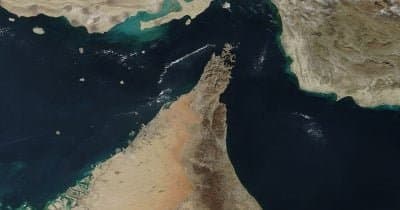
Concerns extend to the Strait of Hormuz, a crucial maritime route, where the likelihood of traffic normalization by July 31 stands at a mere 1%. This statistic illustrates the persistent apprehensions regarding disruptions stemming from the recent missile incident. Observers highlight that any developments in military maneuvers or diplomatic negotiations will play a significant role in shaping market perceptions and expectations for a US-Iran ceasefire.
As geopolitical dynamics evolve, particularly involving the United States, Iran, and Qatar, market responses may become increasingly sensitive. Key announcements from regional leaders or international bodies could alter current sentiments and influence future predictions. The situation remains fluid, with analysts closely monitoring both military actions and diplomatic efforts in the Gulf.
This material is informational and not financial advice.