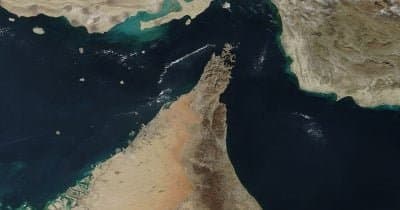
In a marked escalation of hostilities, Iran has initiated a military offensive against Bahrain and several Gulf allies following a series of U.S. airstrikes targeting Iranian sites in the strategically vital Strait of Hormuz. The Iranian attacks, particularly aimed at the headquarters of the U.S. Navy’s 5th Fleet in Bahrain, represent a direct challenge to American military presence in the region and highlight the growing volatility of the situation.
This latest military action comes on the heels of a broken ceasefire agreement, which had previously aimed to reduce tensions between Iran and its Gulf neighbors. The abrupt collapse of this memorandum has reignited conflict, escalating military confrontations in an already fraught geopolitical landscape.
Market reactions indicate a significant uptick in the perceived risk of further military activity against Gulf states. Analysts have quantified the likelihood of additional Iranian military actions against these nations at 87.5% for July 17, reflecting the heightened atmosphere of uncertainty and aggression.
Observers are urged to keep a close watch on potential U.S. and Gulf state responses to Iran's recent assaults. Any military counteractions could markedly influence market expectations regarding the future of conflicts in the region. Additionally, any upcoming diplomatic engagements may serve as indicators of either de-escalation or the potential for even greater military confrontations.
As recent events unfold, changes in market sentiments may occur, particularly if either Iran or the U.S. adjusts its military or diplomatic strategy. The situation remains fluid, emphasizing the need for continuous monitoring of developments in this critical area.
This is informational content and should not be considered financial advice.