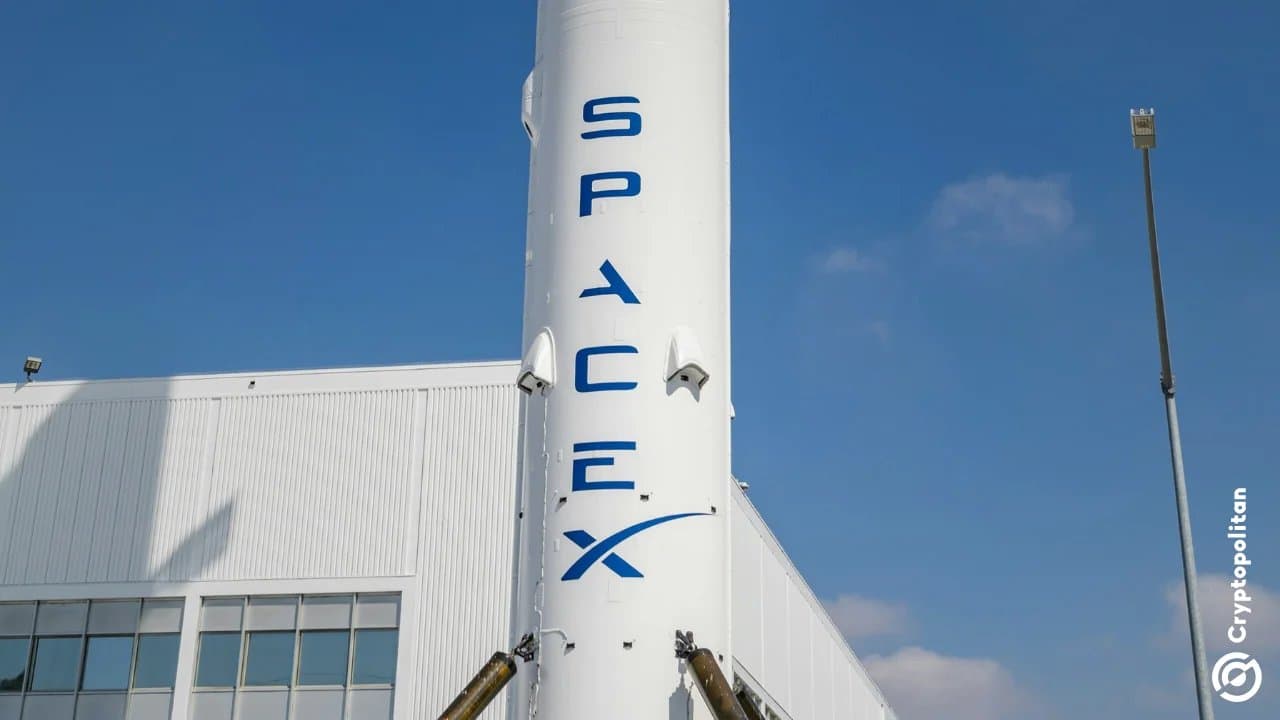
SpaceX's decision to cancel its Starship Flight 13 launch has marked a significant downturn for the company's stock, which closed below its initial public offering (IPO) price for the first time. This comes against the backdrop of a broader sell-off in global equity markets driven by concerns surrounding artificial intelligence stocks.
Launch Aborted at Last Minute
On July 16, the highly anticipated Starship test flight was abruptly halted just moments before liftoff, as the launch timer at Starbase in South Texas paused shortly after the ignition sequence began for the Super Heavy booster. SpaceX spokesperson Dan Huot indicated that engineers would investigate the issue, and he expressed hope that the launch would be rescheduled soon.
Impact on SpaceX and Market Sentiments
The cancellation resulted in SpaceX shares dropping to $131.11, approximately 3% lower than the company's IPO valuation of $1.78 trillion. Despite this decline, SpaceX remains one of the most valuable public companies globally, with a market cap around $1.73 trillion.
The stock's performance is closely tied to the larger technology sector, which has recently seen heightened volatility. The S&P 500’s futures fell by 0.25%, and Nasdaq futures dipped by about 0.45%. The CBOE Volatility Index (VIX), a measure of market risk, increased by 6.8%, reaching 16.73. In this environment, Bitcoin has also experienced a downturn, losing about 1.3% as investors gravitate towards safer assets.
Future of SpaceX Launches
Flight 13 is particularly significant as it represents the second test flight of SpaceX's new Starship Version 3 design. Elon Musk has announced plans to replace two Raptor engines, with expectations of a new launch attempt occurring early next week. The outcome of these efforts may influence both investor confidence in SpaceX and the broader market trends in the technology sector.
This material is for informational purposes only and does not constitute financial advice.