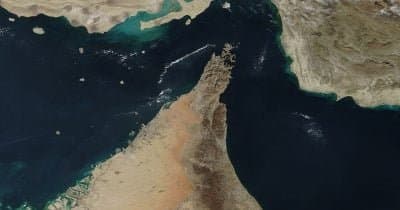
Market data indicates a 45.5% probability that Iran will begin charging fees for vessels transiting the Strait of Hormuz by August 31, 2026. This reflects a notable rise in expectations around Iran’s strategic use of the vital oil passage amid escalating geopolitical tensions.
Geopolitical Context and Strategic use
In early 2026, a coordinated attack resulted in the death of Iran’s Supreme Leader Ali Khamenei, intensifying conflict with the United States and Israel. Since then, Tehran has increasingly relied on alliances with Russia and China while adopting asymmetric defense tactics to maintain its regional influence. Control over the Strait of Hormuz, through which approximately 20% of global oil passes, remains a key element of Iran’s strategy to exert pressure and generate revenue.
Market Implications and Observers’ Focus
Market participants are closely monitoring developments related to the potential imposition of transit fees, which align with Iran’s historical approach to leveraging regional assets under economic pressure. Key factors to watch include any formal announcements by the Iranian government or the Islamic Revolutionary Guard Corps concerning fee implementation. Progress in Iran’s legislative efforts, such as the Strait of Hormuz Management Plan, may offer additional clues. Changes in US-Iran relations and statements from neighboring countries like Oman could further influence market sentiment.
The possibility of fees also raises significant concerns for international shipping and energy markets, given the chokepoint’s importance to global oil supply chains.
Material is informational and does not constitute financial advice.