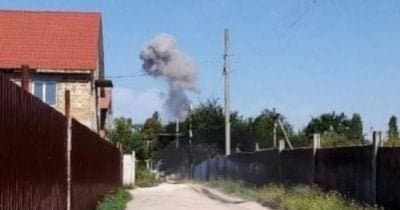
The US Central Command has launched airstrikes against Iranian military sites for the seventh consecutive night, intensifying hostilities after a ceasefire collapsed in June. These strikes focus on weakening Iran's military presence near the Strait of Hormuz, a vital shipping lane. Iran has retaliated with missile and drone attacks on US bases throughout the Gulf, escalating the military conflict.
Impact on Airspace and Market Reactions
There is growing speculation that Iran might close its entire airspace soon, as indicated by prediction markets showing increased odds for such a move by late July and August. The continuous US pressure appears to influence these market expectations, highlighting concerns over regional stability and control of key air routes.
Regime Stability and Geopolitical Risks
Alongside airspace concerns, markets are also pricing in a slightly higher chance of instability within the Iranian regime before 2027, though this remains uncertain. The ongoing conflict contributes to fears of a possible regime shift, but the probability is still considered low. These developments add complexity to the geopolitical landscape in the Gulf region.
What to Monitor Next
Watch for any announcements from Iran's Civil Aviation Organization about airspace status, as official closure would significantly affect global markets and logistics. Further US-Iran military engagements or diplomatic efforts could also shift perceptions on regime durability. Statements from leaders such as US President Trump and Iranian officials will be key to understanding future directions.
This article provides information only and does not constitute financial advice.