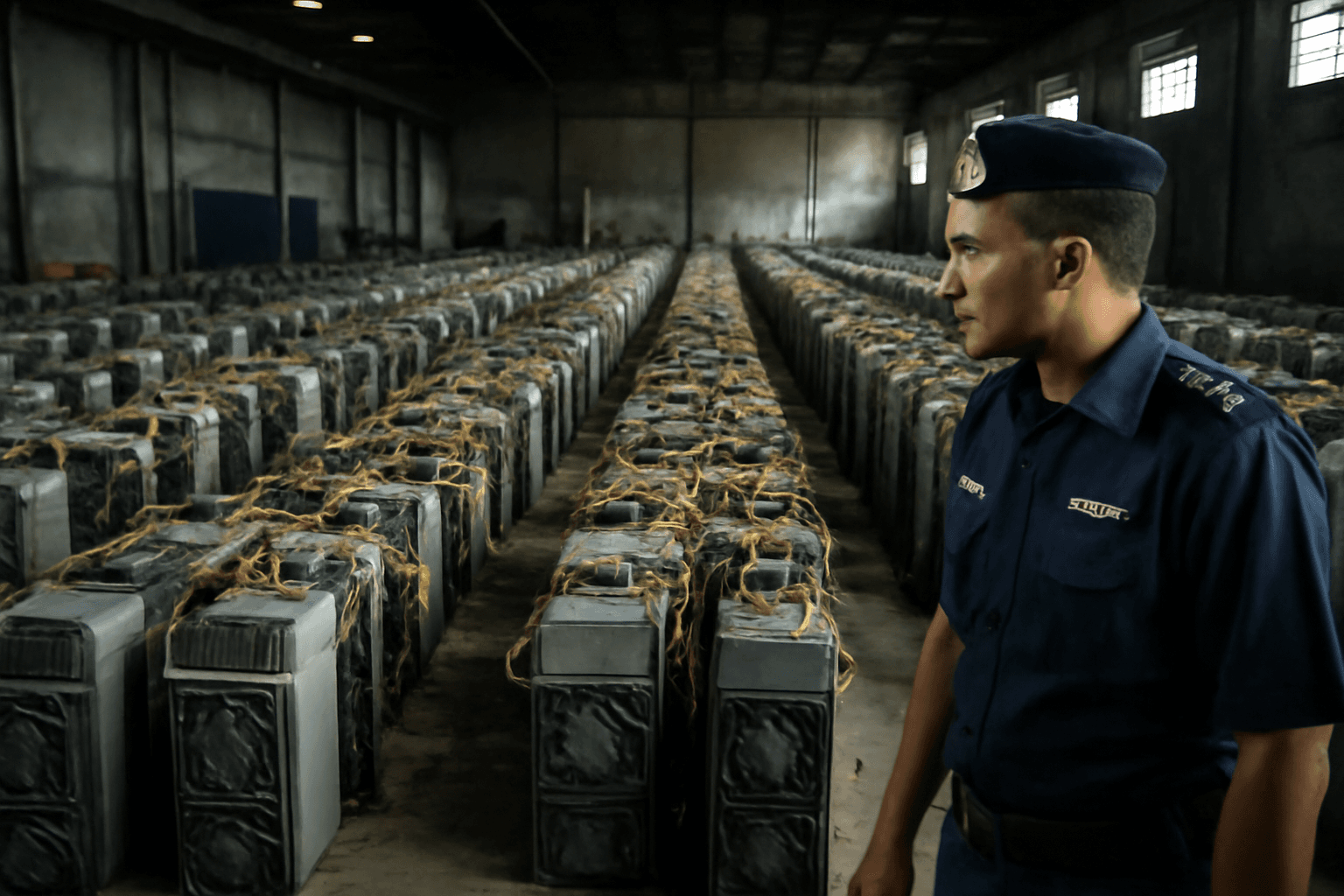
Malaysian authorities have seized 75,578 cryptocurrency mining machines in more than 3,000 raids since 2022, with 629 individuals arrested, Deputy Home Minister Shamsul Anuar reported to parliament. This large-scale operation targets electricity theft rather than cryptocurrency itself, as miners illegally tap power lines and bypass meters.
The national utility company, Tenaga Nasional Berhad, works alongside police in this campaign. Energy losses related to crypto mining at around 14,000 illegal sites have been estimated at approximately $1.1 billion over five years. Despite numerous arrests, the number of confiscated machines indicates ongoing continuation of these practices.
Power Economics Fuel Mining Disparities
The seizure of nearly 76,000 rigs highlights the persistent economic incentives for miners to exploit cheap or stolen electricity. As mining fundamentally depends on an energy price advantage, the high volume of confiscations compared to arrests suggests miners find the risk financially viable.
In stark contrast, American mining companies like CleanSpark and MARA operate legally with contracted power connections, recently converting these into AI data centers valued in the billions. The difference comes down to power cost and legality, framing a global contest over accessing the cheapest electrons.
Malaysia's steamroller tactics, involving public destruction of seized mining equipment, symbolize one side of this battle. Meanwhile, in the U.S., investments in regulated energy assets reflect the other face of the ongoing struggle for energy resources tied to cryptocurrency mining.
The extensive Malaysian crackdown provides a rare quantitative insight into the scale of illegal mining linked to electricity theft. The deputy minister’s disclosure underlines the challenge governments face in balancing enforcement with the persistent financial drivers behind mining operations.
material is for informational purposes and not financial advice