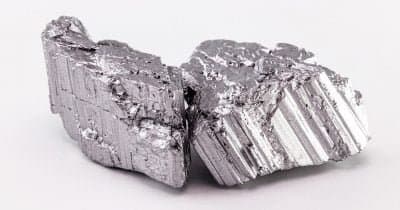
On July 10, China imposed an immediate ban on helium exports, citing urgent domestic needs under its Foreign Trade Law, with no exceptions or transition period for existing contracts.
This move adds to prior restrictions implemented by Russia in April 2026, which will remain through the end of 2027, and ongoing European Union sanctions blocking Russian helium imports since 2024. Although China accounts for just 1.6% of global helium production, it depends heavily on imports between 85% and 95% of its helium comes mainly from Qatar.
Disruptions in Qatar due to escalating US-Iran tensions have pressured China to secure domestic supplies amid these geopolitical complications. Helium plays a critical role in semiconductor manufacturing, accounting for almost a quarter of global helium usage, where it is essential for cooling, leak detection, and lithography processes.
China has been investing in expanding semiconductor capacity through companies such as ChangXin Memory Technologies. However, the helium export ban may hinder domestic chip production if adequate helium supplies cannot be maintained. This shortage risks increasing manufacturing costs and slowing output.
Impact on Crypto Mining and Hardware
Crypto mining relies on affordable semiconductors used in ASIC miners and GPUs, both dependent on helium in their fabrication. Rising production costs or reduced output could lead to higher prices for crypto mining equipment. Despite sharing its name with helium, the Helium Network decentralized wireless protocol is unaffected by the gas supply, and any token price changes linked to this news would be speculative rather than based on fundamentals.
Investors should monitor announcements from major chipmakers like TSMC, Samsung, and Intel, all of which utilize helium heavily in fabrication. These companies’ adjustments to production or pricing will influence hardware costs across the crypto ecosystem.
Material is for informational purposes only and does not constitute financial advice.