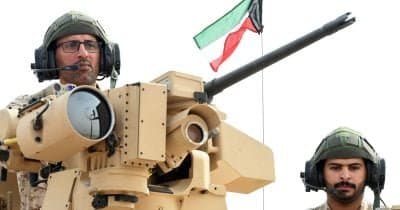
The Kuwaiti military has recently reported intercepting multiple missiles and drones, a move described as a response to escalating drone threats from Iran. This incident highlights the intensifying tensions in the Gulf region, particularly following increased Iranian military activities targeting Gulf states, including Kuwait.
Amid heightened security concerns, the Kuwaiti army disclosed that it successfully intercepted a combination of ballistic and cruise missiles, along with weaponized drones. These actions come in the wake of U.S. military operations near the strategic Strait of Hormuz, which have further strained relations between Iran and the Gulf states.
Impact on Regional Security
Market analysts suggest that the current military developments could lead to a decrease in the immediate likelihood of further Iranian military aggression against Gulf nations. Observers are particularly focused on the sustained aerial assaults by Iran, which have significant implications for the security dynamics in the region.
The situation remains dynamic, with potential shifts affecting both military strategies and regional alliances. Any further military engagements by Iran or responses from other Gulf countries could alter the existing trajectory of conflict. Additionally, diplomatic efforts or escalations in military activity will likely influence market perceptions and regional stability.
As the situation evolves, stakeholders in the region are closely monitoring developments, especially regarding Iranian military actions and responses from Gulf states. The potential for changes in regional alliances also remains a key factor.
This material is for informational purposes only and should not be considered financial advice.