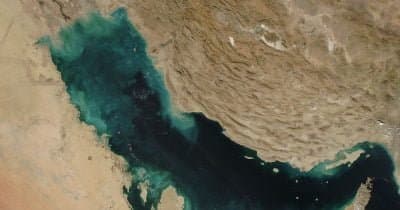
The Kuwaiti military has launched its air defense systems to respond to missile and drone threats, highlighting escalating tensions in the Gulf region. These measures follow a series of Iranian military actions linked to the ongoing conflict involving Iran, Israel, and the United States.
This activation comes in the wake of recent U.S. defensive strikes near the Strait of Hormuz, which has provoked Iranian retaliation against Gulf nations, including Kuwait. Reports indicate Iranian forces are increasingly targeting vital infrastructure, prompting Kuwait to act decisively by engaging its air defenses.
Background on Rising Tensions
Recent military operations have led analysts to raise concerns about a potential breach in the fragile ceasefire established between the U.S. and Iran, with both sides allegedly violating terms. The situation has drawn attention to how markets perceive the growing likelihood of Iranian military engagements against Gulf states. A noticeable increase in missile and drone threats has further complicated the regional dynamic.
Implications for the Region
Military analysts suggest that the Kuwaiti response indicates a shift in regional strategies following heightened Iranian activities. Observers are particularly interested in the potential reactions from other Gulf states and the likelihood of Iran targeting U.S. military installations or key infrastructure. Influential figures such as Iranian Supreme Leader Ali Khamenei and IRGC Commander Hossein Salami are central to ongoing developments.
Furthermore, attention is turning towards possible diplomatic measures that could help stabilize the crisis, especially involving regional mediators like Qatar and Oman. Any further retaliatory actions could significantly impact market perceptions of military actions in the Gulf.
This article is for informational purposes only and does not constitute financial advice.