US consumer sentiment experienced a surprising uptick in July, reaching a level of 54.4 on the University of Michigan’s Consumer Sentiment Index. This improvement comes despite ongoing escalations in the Middle East, where renewed hostilities threaten to destabilize global markets and dampen future optimism among American consumers.
Recent Developments in US-Iran Tensions
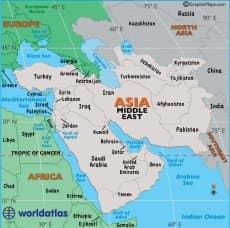
The recent collapse of a ceasefire between the United States and Iran has triggered intensified military actions. the US has conducted strikes targeting Iranian infrastructure and enforced a naval blockade in the strategically critical Strait of Hormuz. These aggressive moves form part of the broader conflict known as the 2026 Iran War, which has seen a surge in confrontations after a period of relative calm.
The escalating conflict poses significant risks beyond the battlefield. Market participants remain wary of its potential to disrupt oil supply routes, leading to spikes in global crude prices. Such increases would directly influence gasoline costs in the US, undercutting the gains in consumer confidence registered during July.
Market Response and Diplomatic Outlook
Prediction markets reflect decreasing optimism about a potential US-Iran deal in 2026, pricing in greater downside risks as active military engagement continues. Key political figures may influence the trajectory of the crisis: US President Donald Trump and Iranian Foreign Minister Javad Zarif remain central to any negotiation efforts. plus mediators from Qatar and Pakistan could emerge as key actors in facilitating diplomatic dialogue toward easing tensions.
Observers are also tracking fluctuations in oil prices and subsequent changes in consumer sentiment indices, which will serve as barometers for public perception on the conflict and its economic fallout.
What to Monitor Going Forward
- Progress or deterioration in Middle East military actions
- Diplomatic moves involving US, Iran, and third-party mediators
- Trends in global oil prices affecting US energy costs
- Consumer sentiment shifts in response to these external shocks
This content is for informational purposes and does not constitute financial advice.