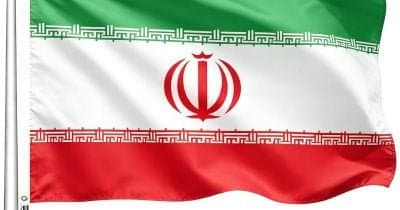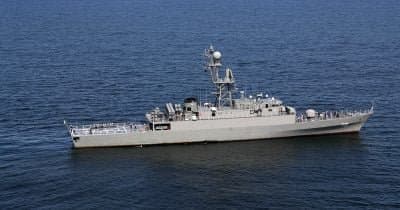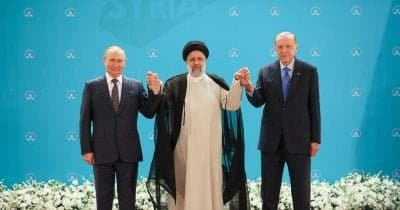
Iran just threatened to hit every US-allied base in the Gulf if America launches new strikes. That's not abstract geopolitics anymore. Kuwait, Bahrain, Qatar are now explicitly in the target set, and the energy markets are already flinching.
The numbers alone tell the story. Back in 2019, a single coordinated strike on Saudi oil facilities at Abqaiq and Khurais wiped out a significant chunk of production overnight and sent crude prices spiking. The region's $200 billion air defense umbrella didn't stop it then. Today's situation is worse. Iran has already lobbed ballistic missiles at US bases in Kuwait, struck naval facilities in Bahrain, and hit energy targets in Qatar. This isn't a one-off escalation anymore, it's a pattern.
The Strait of Hormuz moves roughly 30% of global seaborne oil. One serious disruption there and you're looking at crude north of $100 a barrel within hours. Shipping insurance premiums are already creeping up. GCC states have collectively begged for de-escalation, which tells you how real the threat feels on the ground.
For crypto markets, this hits different. Gulf sovereign wealth funds and state-backed entities in the UAE, Saudi Arabia, and Qatar have been quietly building positions in digital asset infrastructure and tokens. When oil markets spike on geopolitical risk, money gets spooked and flows out of anything that looks speculative. Bitcoin and ethereum don't move on missiles the way crude does, but they move on the broader risk-off sentiment that follows. If energy exports get disrupted, petrodollar recycling into emerging markets slows down, and that includes crypto venues that depend on Gulf liquidity.
This is informational material, not financial advice. Geopolitical risk carries real consequences for market structure, but past performance and historical correlations don't guarantee future outcomes.