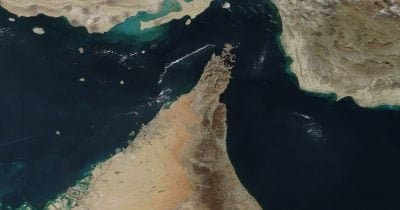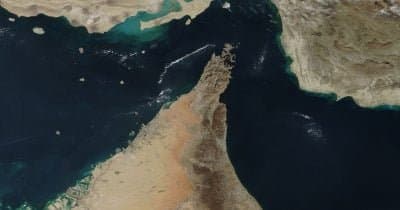
A dry bulk vessel took a direct hit from a projectile near the Strait of Hormuz on August 4, forcing an emergency evacuation. One crew member remains unaccounted for. Maritime security sources confirmed the incident, marking yet another attack in what's become a grinding escalation between Iran and the United States that's now lasted through 2026.
The Strait of Hormuz handles roughly one-third of global maritime oil traffic. When vessels start getting targeted, shipping insurance premiums spike, routes shift, and delays ripple through supply chains worldwide. This latest strike adds pressure to an already fractured corridor where commercial operators are weighing whether the economics of transit still make sense.
Prediction markets are pricing the odds of normal traffic returning by September 30 at just 23.5%, down from 24% before the attack. That thin margin reflects how traders view the situation, not as a temporary flare-up but as a persistent security problem without obvious resolution on the horizon. Diplomatic channels between Washington and Tehran remain largely frozen.
What traders are watching
Any statements from Iran's President Masoud Pezeshkian or U.S. Secretary of State Marco Rubio could signal whether either side is moving toward de-escalation. The UKMTO, which issues daily threat warnings for the region, will continue flagging incidents as they occur. Further attacks would likely push the September 30 deadline even further out of reach, while silence could suggest a temporary pause or shift in tactics.
This article is informational only and does not constitute financial or trading advice. Geopolitical risks affecting maritime routes can influence commodity prices and shipping-related assets, but outcomes remain uncertain.