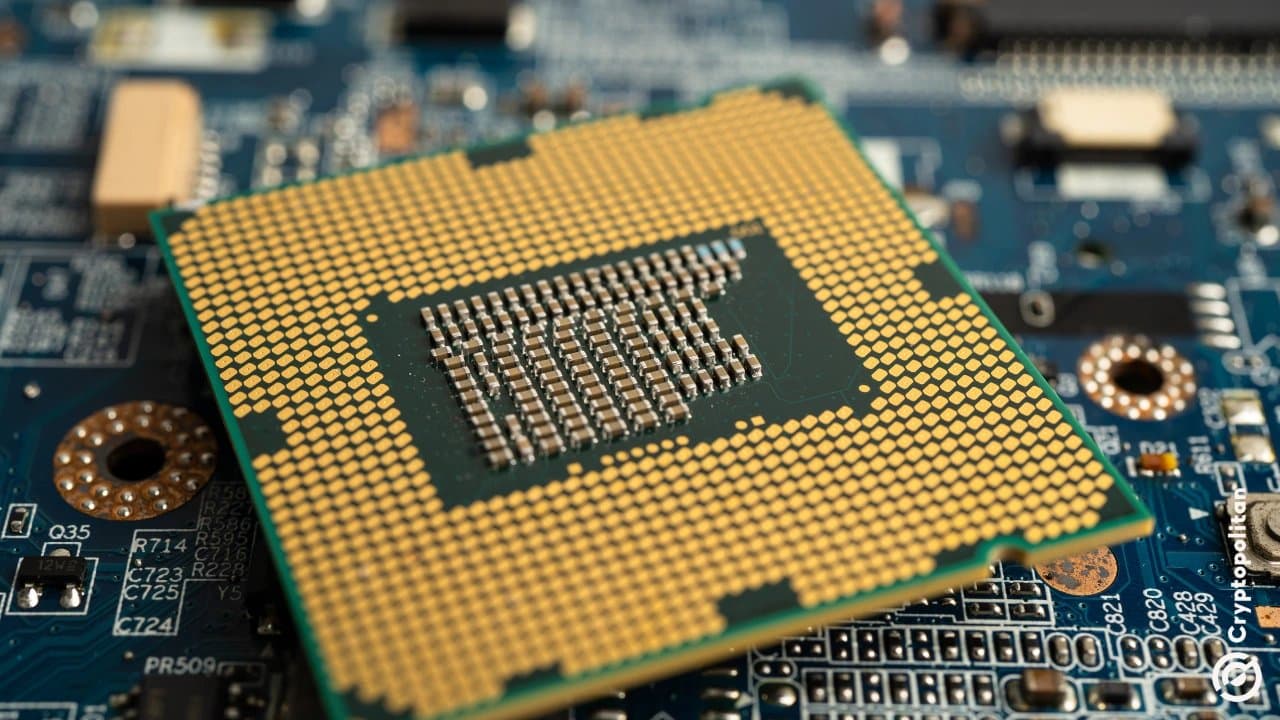
As the prices of memory chips continue to rise, CoreWeave, a significant player in the AI cloud service market, finds itself reevaluating its risk management strategies. The company's approach reflects the growing concern over potential financial volatility linked to hardware costs. Sanjay Mehrotra, Micron's CEO, emphasized that the recent surge in demand for AI infrastructure has transformed memory into a critical asset, essential for meeting operational demands.
Micron Technology reported a remarkable increase in its revenue, reaching $41.46 billion for the third fiscal quarter ending May 28, 2026. This figure marked a substantial rise from $23.86 billion in the previous quarter and $9.30 billion a year earlier. Notably, Micron's Cloud Memory segment alone generated $13.77 billion in revenue, highlighting the sector's significance amid the booming AI market. The company's gross margin also hit an impressive 84.6%. In light of these developments, Micron warns that the persistent supply constraints of high-bandwidth memory (HBM) will continue, further complicating the financial landscape for cloud providers.
TrendForce, a leading market research firm, foresees that the tight supply of HBM, crucial for AI applications, will become the norm as demand continues to outstrip production capacity. Manufacturers are now accelerating the qualification of next-generation HBM4 products, with industry predictions suggesting that Samsung will capture a significant market share early on. Such projections indicate that AI service companies like CoreWeave must develop more sophisticated strategies to navigate the cost pressures associated with memory procurement.
The escalating costs of memory chips are prompting cloud service providers to implement more disciplined risk management practices. CoreWeave is reportedly exploring hedging tools to mitigate the financial impacts of price fluctuations in memory supplies, all while maintaining commitments to long-term chip supply agreements. As the tech sector grapples with these challenges, the broader implications of rising hardware costs are set to resonate throughout the industry.
This article is for informational purposes only and does not constitute financial advice.