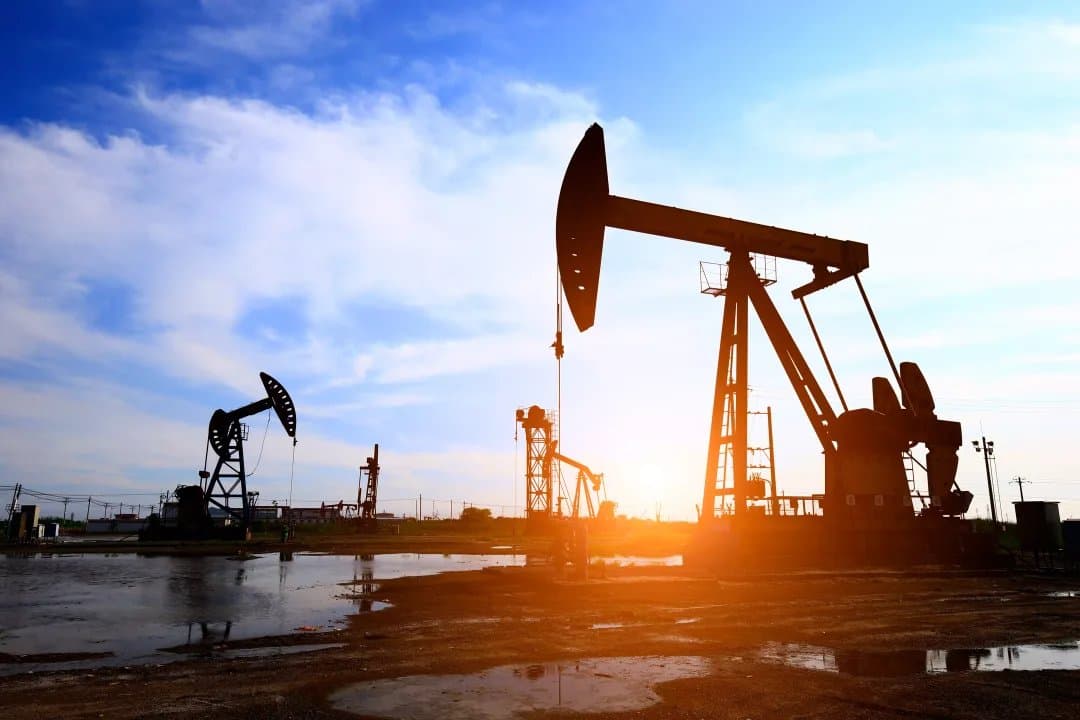
Brent crude oil prices briefly exceeded $91 per barrel on July 21 before retreating to around $88-$89 as US-Iran military tensions sparked fears of disruptions along the strategic Strait of Hormuz, a route responsible for about 20% of global oil supply.
Goldman Sachs analysts warned that Brent crude could soar above $120 per barrel in the fourth quarter if supply interruptions near the Strait persist. This scenario is seen as a risk rather than the bank's main forecast, which assumes tensions will ease. In that base case, Goldman expects Brent to average $80 per barrel in Q4 and $75 in 2024.
Market Movements Reflect Rising Geopolitical Risks
The US benchmark West Texas Intermediate (WTI) also climbed above $84 before slipping back to the $81-$83 range. Both crude benchmarks have gained over 15% in the week preceding July 20. At the consumer level, the national average for gasoline prices increased above $4 per gallon, up from $3.872 the prior week. Some regions with higher costs are already facing pump prices exceeding $5 per gallon, intensifying financial pressure on transport-dependent households and businesses.
Previous reports highlighted how even partial disruption in the Strait could affect tanker insurance costs, shipping routes, and delivery timelines. Iran-backed Houthi rebels have threatened Saudi shipping blockades in the Red Sea, making alternative routes more critical for Persian Gulf exports. Saudi Arabia, the UAE, Kuwait, and Iraq remain heavily reliant on the Strait for export capacity.
Goldman noted that global oil inventories contracted during the second quarter, reducing buffers against supply shocks and making the market more sensitive to interruptions. Despite that, factors such as weaker crude imports from China and demand responses at higher prices could moderate the rally.
In a July 20 note, Goldman analysts observed that the escalation in Middle East tensions caused Persian Gulf oil flows to drop below 45% of pre-war levels, pushing prices higher. The bank recommended taking a long position in European diesel amid these dynamics.
This material is for informational purposes only and does not constitute financial advice.