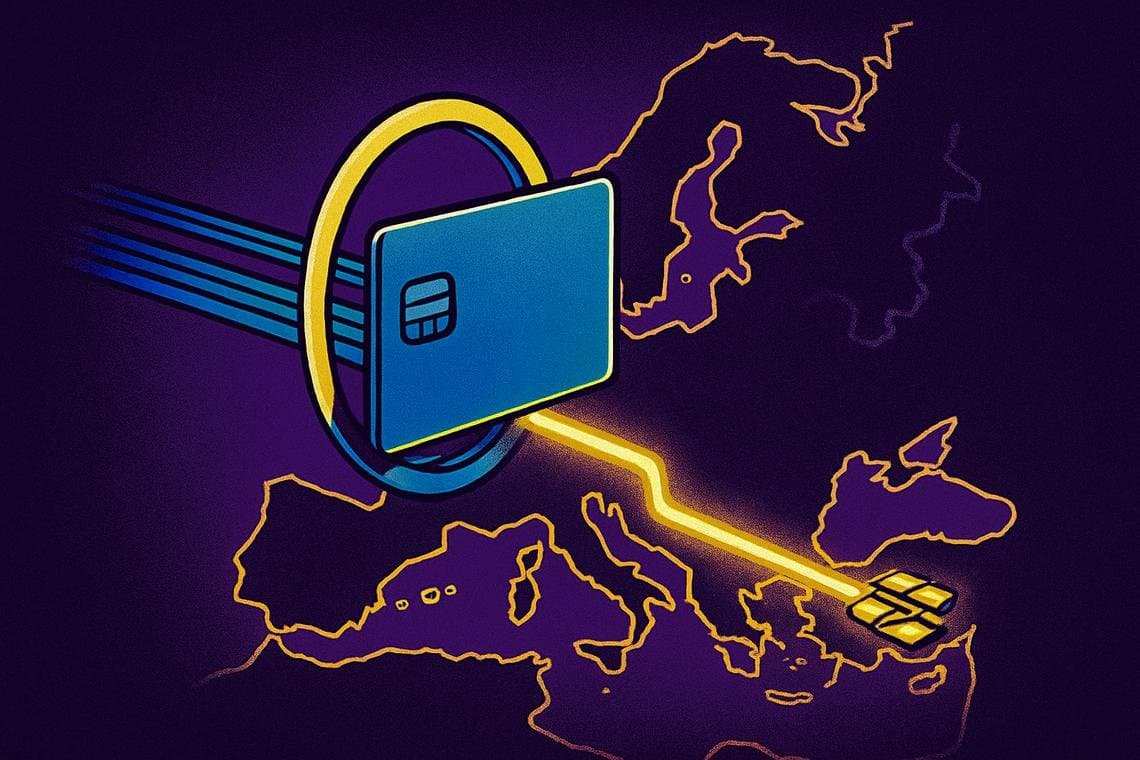
Corpay just integrated Visa Fleet 2.0 into its European fleet card processing system, opening access to the platform for more than 800,000 business customers across the continent. The partnership, announced as part of Visa's broader commercial payments push, lets fleet operators and mobility providers manage fuel, tolls, parking, EV charging and maintenance through a single, data-driven interface.
The timing matters. European fleet operators still rely heavily on legacy payment tools, making Visa Fleet 2.0's open-loop model a genuine upgrade. Unlike closed systems, the platform lets Corpay expand into new customer segments without lock-in constraints. Visa CEO Ryan McInerney called out the deal during fiscal Q3 2026 earnings, signaling it as a cornerstone of the company's European commercial growth strategy.
What Visa Fleet 2.0 actually does
The platform strips away friction from vehicle-related spending. Instead of managing separate cards for fuel, tolls and charging, businesses get consolidated visibility into fleet expenses with real-time controls. Corpay bundles this with its existing value-added services, so customers don't need to overhaul their vendor relationships. The integration runs on Visa's infrastructure but operates through Corpay's familiar processing layer.
For large European fleets, transparency matters. The ability to set spending limits, track compliance and pull detailed expense reports cuts operational overhead and catches fraud patterns faster. Smaller operators get access to enterprise-grade tools they'd normally only find in much pricier systems.
Scale plays into the strategy
Corpay's 800,000-customer base gives Visa immediate distribution across multiple geographies and industries. Rather than building sales teams from scratch in each European market, Visa leverages Corpay's installed relationships and brand trust. Lucy Demery from Visa and Alan King from Corpay framed the expansion as unlocking new opportunities across the European mobility ecosystem, which is corporate speak for "we now have a faster path to market share."
The deal extends an existing partnership, so both companies already understand each other's systems and compliance requirements. That reduces implementation risk and speeds deployment to production.
Visa stock was flat in afternoon trading following the announcement.
This article is informational and does not constitute financial or investment advice. Readers should conduct their own research before making any business or investment decisions.