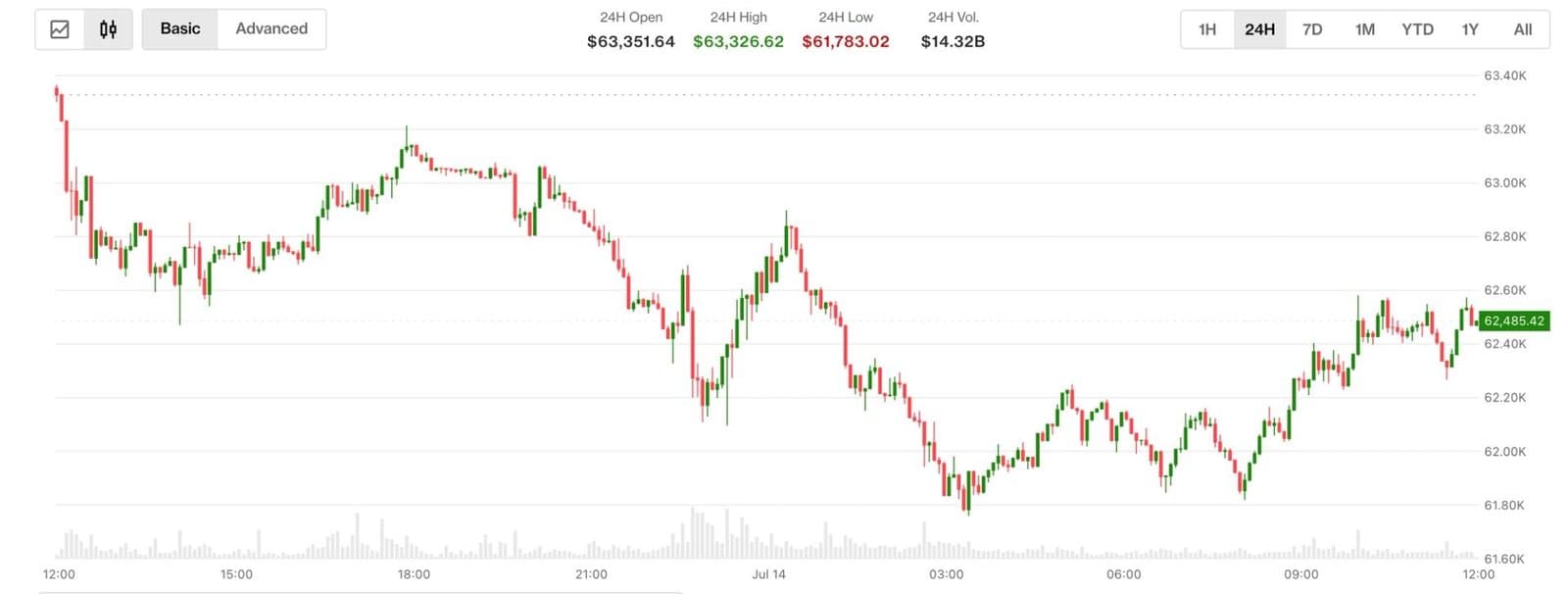
Recent geopolitical tensions have resumed with the end of the U.S.-Iran ceasefire, as President Donald Trump announced a reinstatement of the blockade on Iranian ports. This action has caused a spike in crude oil prices and negatively impacted stock markets, with the S&P 500 and Dow Jones Index declining by 49 and 33 points respectively.
In the wake of these developments, a notable selling pressure was witnessed in Bitcoin, prompting a wave of closures in long positions in the derivatives market. This trend contributed to the recent downward adjustment of prices across the cryptocurrency sector, including Audiera's token, BEAT.
Market Performance and Price Predictions
Over the past 24 hours, BEAT has increased by 0.74%, although its trading volume has sharply dropped to nearly half of the previous day's activity. AMBCrypto reported that this altcoin, boasting a market capitalization of $824 million, had previously surged by 18% when trading volume peaked, even after the release of 21.25 million BEAT tokens, which constituted 7.3% of its circulating supply.
The price action around BEAT has raised questions about its ability to surpass the $3.20 mark, as the current range between $3.0 and $3.20 has been identified as a local supply zone. Short-term bearish momentum has been signaled on the 1-day timeframe by the Awesome Oscillator, which could hamper immediate upward progression. A sustained trend of higher lows in the coming days is essential for determining whether bullish sentiment can be restored.
The recent burn of 792,210 BEAT tokens on July 13 may bolster trader confidence. However, there are lingering concerns regarding potential price manipulation and allegations linking BEAT to other tokens, such as LAB and RIVER, which have previously raised eyebrows among investors.
Historically, BEAT has experienced significant volatility; from June 12 to 18, the token underwent an 87% correction, plummeting from $11.57 to $1.459. The lack of conclusive evidence regarding ties to suspicious activities means that caution is still advisable for current and potential investors.
This article is for informational purposes only and should not be considered financial advice.