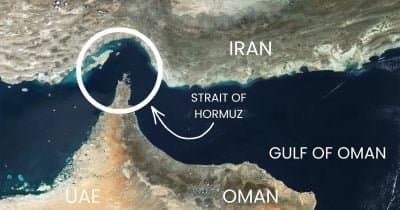
President Donald Trump’s recent proposition to implement a toll on vessels passing through the Strait of Hormuz has sparked worries about possible disruptions in global oil supplies. The proposed measures come in the backdrop of heightened military tensions in the region, where the U.S. has intensified its confrontations with Iran, noticeably impacting oil flow in this critical channel.
Current State of Oil Supply and Market Reactions
The ongoing naval standoff, fueled by Iran’s Revolutionary Guard asserting control over the strait, has already reduced oil transport significantly. Iran has announced unauthorized tolls, raising alarm among market participants. Speculation surrounding Trump's toll plan indicates a growing risk perception, translating into increased trading activity in related fee markets. For instance, current market predictions show a 5.4% likelihood for tolls on July 15 and a more significant 62.5% chance for October 31.
These figures reflect a broader uncertainty regarding the operational status of Hormuz, a vital passage for approximately a third of the world’s crude oil. Industry stakeholders are acutely aware that disruptions here could reverberate through global oil prices, affecting economic stability across various sectors.
Implications for Future Developments
The unfolding situation calls for close monitoring of any official communications from Iranian authorities about the status of these tolls, as well as potential U.S. diplomatic efforts. Insight from key figures, including U.S. Secretary of State Marco Rubio, could illuminate the path forward. Furthermore, responses from global shipping companies will offer critical context and might inform market expectations surrounding Iran’s fee policies.
This material is for informational purposes only and does not constitute financial advice.