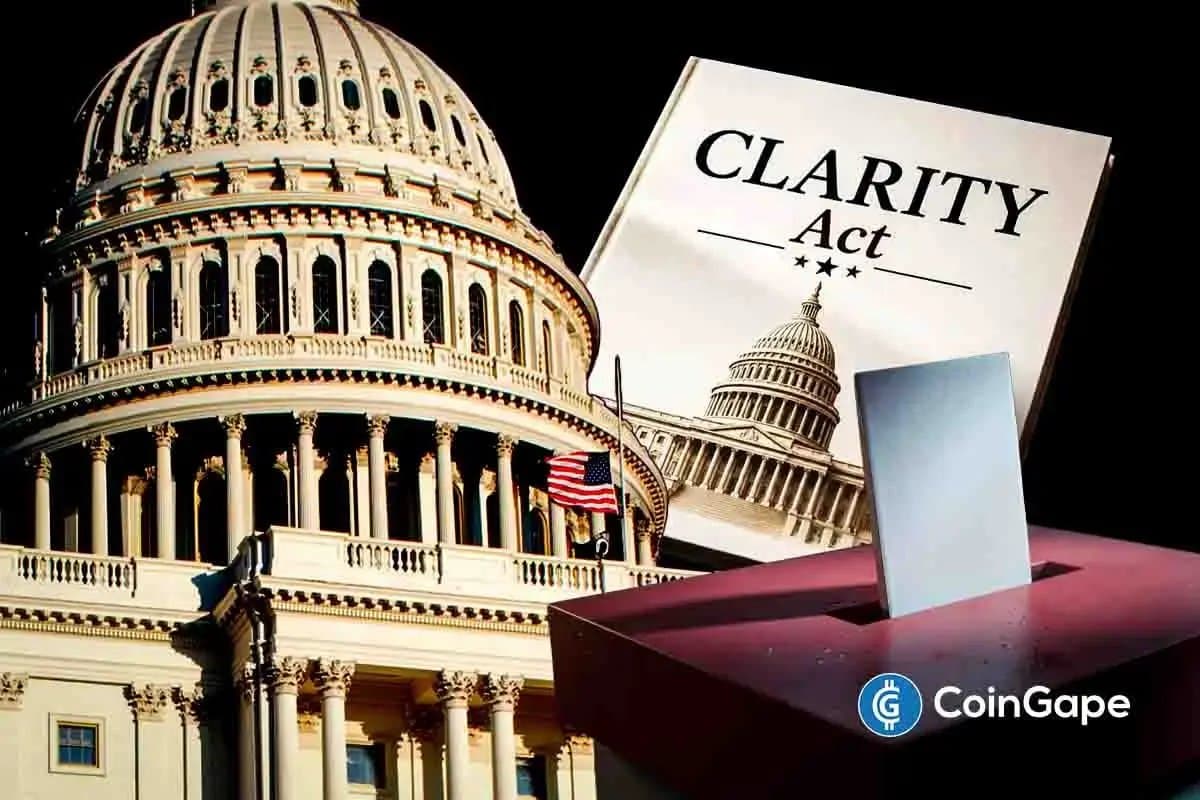
Brian Armstrong wasted no time. On Aug. 3, Coinbase's CEO went straight at senators, demanding they pass the CLARITY Act before the week ended. One in four Americans now hold crypto, he argued. They're watching. More than 3 million advocates are tracking every vote.
The stakes sound inflated until you look at what hangs in the balance. CLARITY would finally cement federal rules for digital assets after years of back-and-forth between lawmakers, regulators, and industry players. Armstrong framed it simply: bring crypto under U.S. supervision or watch the business move overseas. The choice, he said, sits squarely with the Senate.
What's Actually in CLARITY
The updated text that Senator Cynthia Lummis dropped on July 22 runs 616 pages thick. It carves out clear roles for the SEC and CFTC, forces exchanges and brokers to register, sets customer protection standards, and gives law enforcement real teeth. Banking institutions get explicit permission to handle digital assets under specific conditions, with rules around capital treatment and stablecoin activity spelled out in advance.
Armstrong pointed to the 70% of Americans who already say clear rules should exist. CLARITY delivers that. It expands federal oversight, tightens consumer protections, and creates the kind of certainty that's been missing for over a decade. The legislation represents what Armstrong called "a ton of bi-partisan work," something rare enough in crypto policy that it deserves attention.
The timing matters. After years described as being stuck at the "one-yard line," crypto regulation sits closer to the finish than ever. A Senate vote this week could actually happen. The momentum exists. The bill has bipartisan backing. What's missing is just the final push.
This material is informational only and should not be treated as financial or investment advice. Regulatory developments may impact digital asset markets, but individual circumstances vary widely.