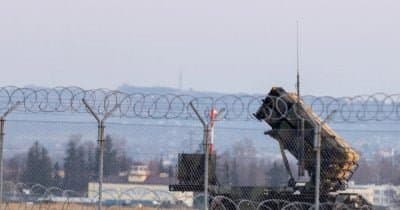
An airstrike struck the Iran Electronics Industries facility in northwest Shiraz, a significant target given the factory's role producing military-grade radars, avionics, and electronic warfare systems for the Iranian armed forces. Videos circulating online showed smoke rising from the compound, confirming its repeated targeting in an ongoing military campaign.
The Shiraz Electronics Industries site, a subsidiary of Iran Electronics Industries, has been sanctioned by the US Treasury since 2008 due to its strategic position in Iran's defense electronics supply chain. Since early 2026, it has become a recurring target in a US-Israel campaign, with over 300 documented airstrikes across Iran by mid-July 2026. On July 11 alone, around 140 targets were hit, highlighting the high operational tempo. Previous attacks, such as the one on March 29, resulted in visible smoke at the SEI compound, indicating persistent focus on this facility.
This escalation has impacted cryptocurrency markets. June 2026 airstrikes triggered a nearly 2% decline in Bitcoin to approximately $61,000. The drop coincided with $1 billion in liquidations in derivatives markets as volatility surged. May strikes were even more damaging, causing the digital asset market to lose around $80 billion in value, a rare event outside exchange collapses or regulatory changes.
Iranian crypto exchanges have experienced significant outflows post-strike, as domestic holders transfer assets offshore or convert to stablecoins to hedge against economic instability and operational disruptions. This pattern shows the local market's response to military developments.
The repeated attacks on Shiraz Electronics Industries reinforce a trend of elevated uncertainty. Bitcoin, often seen as a macro uncertainty gauge, has behaved as a risk asset during this conflict period, declining alongside geopolitical tensions. This incident adds to the data shaping investor sentiment amid ongoing regional instability.