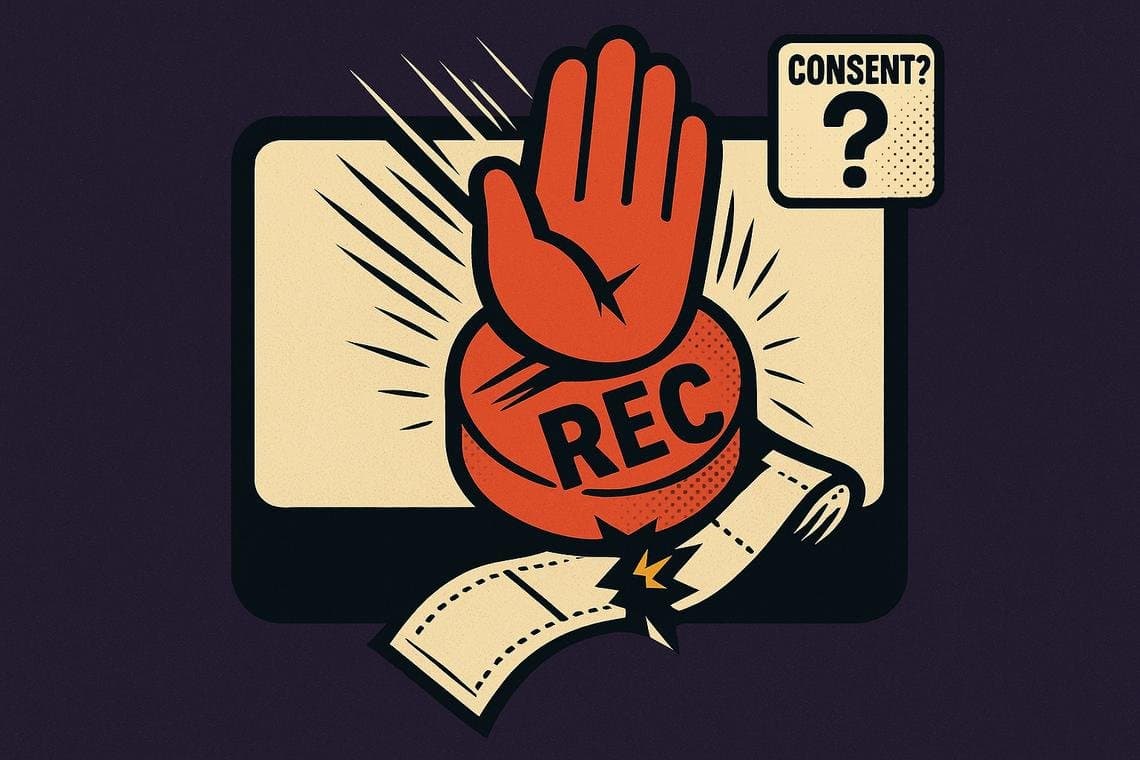
AI-powered transcription and always-on recording have rapidly extended beyond professional use, sparking concerns over consent. Venture capitalist Jeremy Levine now lists "I do not consent to transcribing or recording" as his Zoom display name to explicitly resist the default recording culture. This response highlights mounting unease around near-constant AI monitoring.
Normalization of Always-On Recording in Business
According to a Wall Street Journal report, many professionals have grown accustomed to meetings being automatically recorded. Eric Bahn, a venture capitalist, revealed he assumes his interactions with founders are recorded even without visible devices. This acceptance of background recording reflects a shift in meeting norms influenced by numerous AI transcription tools and wearable devices that TechCrunch has tracked.
The trend points to surveillance becoming habitual; recording is no longer seen as a conscious decision but an expected background activity within professional contexts.
Expansion Into Personal and Social Settings
The implications extend well beyond the office. A founder shared she records most of her first dates using the Granola app, then inputs the transcripts into the AI model Claude. This service analyzes conversational dynamics, helping her evaluate empathy and engagement in personal interactions. Using AI transcription as a personal relationship coach shows how workplace technologies are penetrating intimate spheres.
- Jeremy Levine adopts a Zoom name explicitly denying consent to recording.
- Eric Bahn assumes meetings with startup founders are always recorded despite no obvious devices.
- A founder applies AI transcription to analyze first dates and conversational behavior.
- Growing AI note-taking tools have made continuous meeting transcription standard practice.
- Legal questions about consent for constant recording remain unsettled.
- Volume of unreviewed AI transcripts is becoming a management challenge.
This shift to pervasive recording raises unresolved legal and cultural issues related to consenting participants. The volume of transcripts accumulating from AI tools also presents practical difficulties since reviewing them all is often unfeasible.
This material is for informational purposes and is not financial advice.