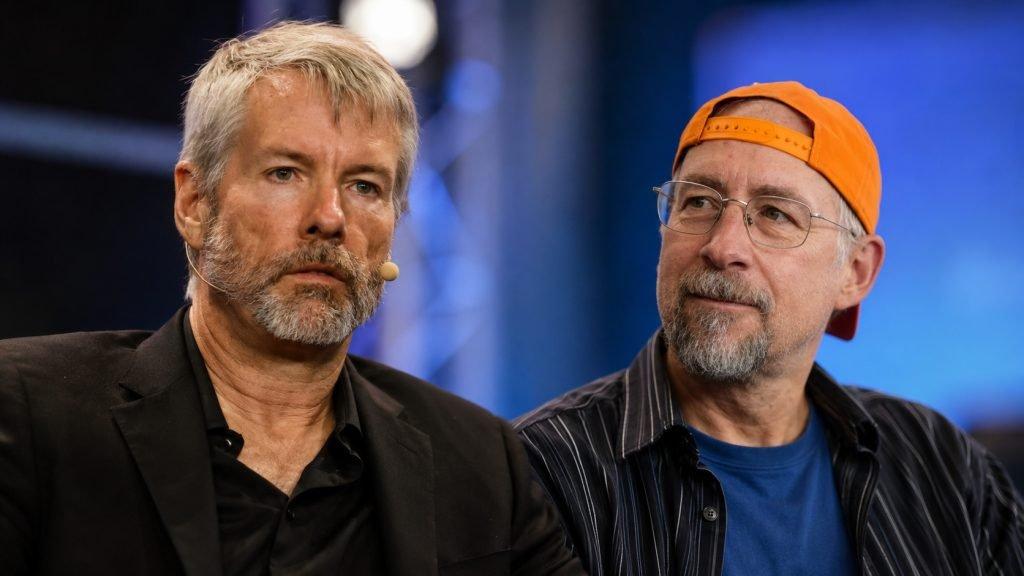
The proposed BIP 110 update to the Bitcoin network is facing opposition from notable figures in the cryptocurrency community, including Adam Back and Michael Saylor. Both have expressed concerns that the changes could negatively impact the core values of Bitcoin.
Adam Back, who co-founded Blockstream and created Hashcash, criticized the BIP 110 proposal for attempting to audit user transactions. He emphasized that this initiative runs counter to Bitcoin's principles, which prioritize decentralization, permissionless use, and resistance to censorship. Back warned that proceeding with the update without broad support could lead to a chain split, or fork, within the Bitcoin network. He argued that blocking transactions based on their content contradicts the rules governing the network.
Michael Saylor, the chairman of Strategy, echoed Back's sentiments, asserting that BIP 110 represents a shift from a spam-related debate to a significant alteration of consensus rules. He pointed out that the proposal would render certain transactions invalid, even if they currently comply with existing regulations and incur transaction fees. Saylor cautioned against the precedent this could set, stating, “There are 110 things more dangerous than spam for Bitcoin.” He urged the community to redirect its focus towards addressing more pressing security and centralization risks facing the network.
The ongoing debate highlights the tensions within the Bitcoin community regarding governance and the future direction of the network. As discussions continue, the implications of BIP 110 may significantly influence Bitcoin's operational framework and its long-term viability.
This content is for informational purposes only and does not constitute financial advice.