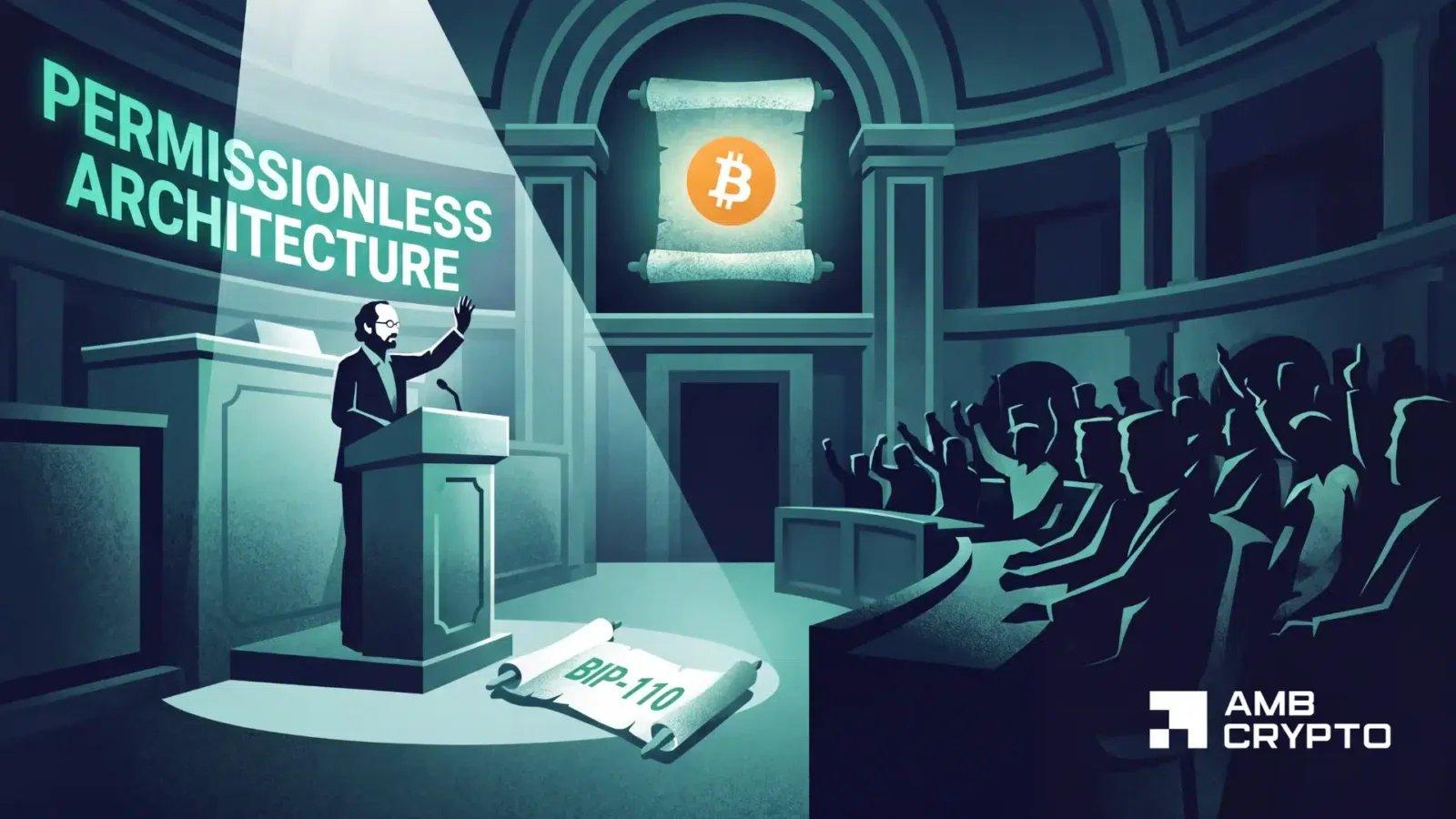
The Bitcoin Improvement Proposal (BIP-110), a controversial soft fork for Bitcoin, is currently facing significant pushback from the community. Adam Back, CEO of Blockstream, recently highlighted that misconceptions about Bitcoin's architecture are at the heart of the ongoing debate regarding BIP-110 and the OP_RETURN policy.
Back expressed concern for supporters of BIP-110, particularly newcomers to the Bitcoin space. He stated that many well-meaning individuals may become disillusioned if they proceed without fully understanding the reasons behind Bitcoin's rejection of BIP-110. He emphasized that this proposal challenges the core principles of Bitcoin.
Background on BIP-110
Originally implemented in December 2025, BIP-110 aimed to prevent arbitrary data entries, similar to non-fungible tokens, from clogging the Bitcoin network. This proposal was designed to uphold Bitcoin's primary function as a peer-to-peer cash system. While Back acknowledges the issue of network spam, he argues that Bitcoin's existing mechanisms, such as transaction fees and miner incentives, effectively manage this problem without imposing restrictive rules.
Concerns from Industry Leaders
Back's criticisms are shared by others in the industry. Michael Saylor also voiced concerns regarding BIP-110, indicating that the proposal contradicts Bitcoin's permissionless nature. He suggested that any dissenters could fork the network to impose their own regulations, although Back believes such a fork would struggle to gain traction due to limited community support.
Community sentiment appears to be shifting, as evidenced by the lack of support for BIP-110. On July 4th, only 10 out of 2,016 blocks supported the temporary upgrade. Additionally, activity related to Ordinals has dropped significantly, with fewer than 10,000 added to the Bitcoin blockchain daily, marking an all-time low.
Bitcoin's market performance has also raised concerns, with its price declining by 45% over the past year, falling from a peak of $124,500 to $63,901.24 at the time of this report. As discussions continue, industry leaders stress the importance of understanding Bitcoin's foundational principles to prevent further disillusionment within the community.
This article is for informational purposes only and does not constitute financial advice.